
 Apple Podcasts

 Spotify

 Youtube Music
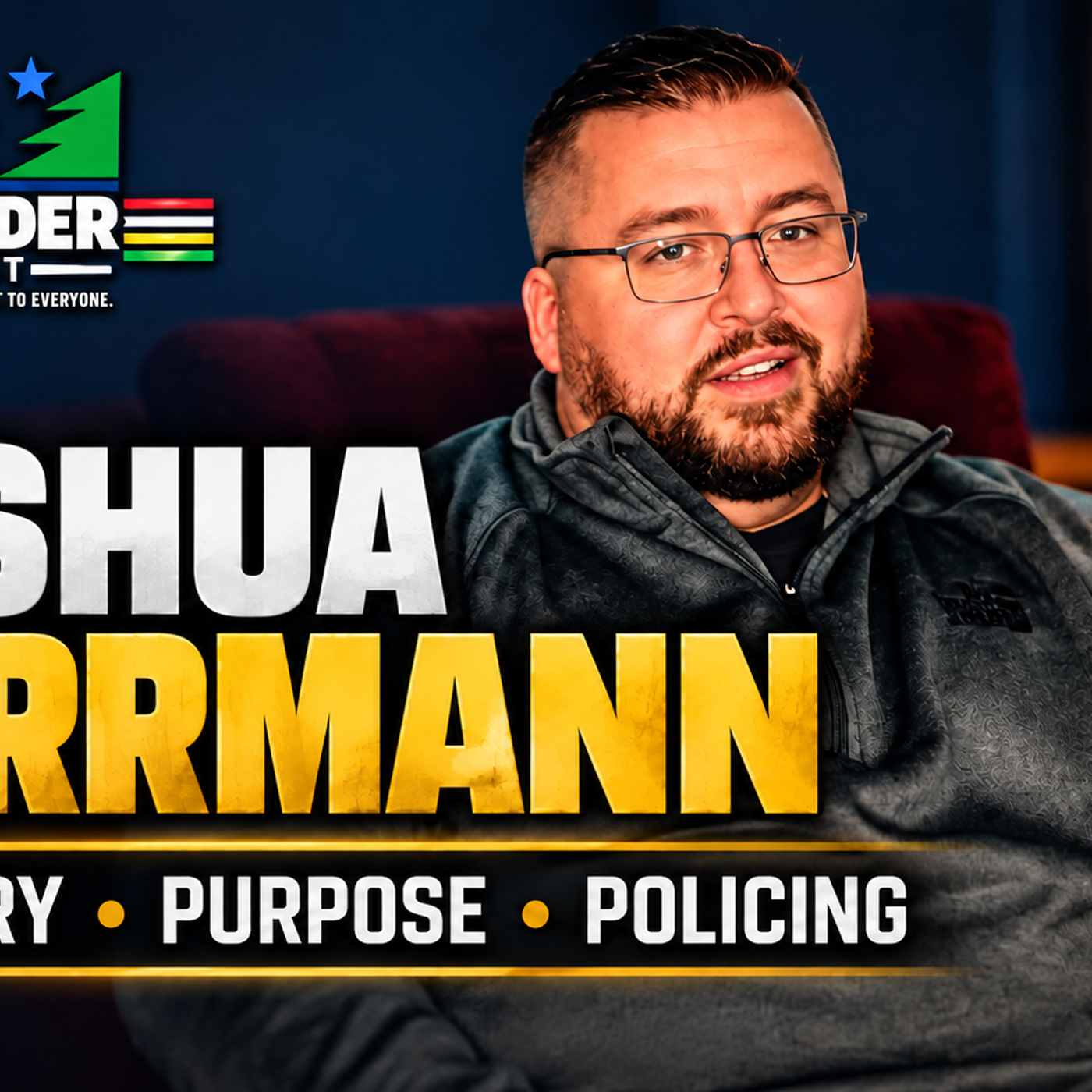
When Officer Joshua Herrmann talks about recovery, he speaks from both sides of the badge. He shares how nearly two decades in recovery shaped his path from corrections to policing and the way he now supports people facing addiction, trauma, mental health challenges, and homelessness. Elliott and Joshua discuss the connections that helped him build a life beyond work, the experiences that taught him to meet people without judgment, and how deflection and diversion can create a path toward help. The conversation also explores responder wellness, peer support, and the courage it takes to check in with a colleague. Joshua’s story is a reminder that lived experience can help others feel seen and find support.
For peers and supervisors, the episode offers a window into what recovery-informed policing can look like in practice. It invites listeners to consider how trust, practical referrals, and a willingness to listen can change an interaction, while respecting that each person’s recovery path is their own.
Officer Joshua Herman - Recovery, Purpose, and a Different Kind of Policing
New Hampshire Responder, Officer Joshua Herrmann, joins us for an incredible conversation about addiction, recovery, trauma, and the role connection can play in helping people move forward.
Joshua shares how his own recovery journey shaped his work in corrections and law enforcement. Now serving as a Prevention, Enforcement, and Treatment officer, he connects people with help for addiction, mental health needs, and homelessness. He also talks about earning a national certification in deflection and diversion, supporting first responders, and building trust through honest, meaningful conversations.
This episode reminds us that a person’s hardest experiences can become the catalyst to help someone else feel less alone and that recovery and service look different for everyone.
Topics include: long-term recovery, responder wellness, trauma, peer support, deflection and diversion, and connecting people with services.
https://www.facebook.com/profile.php?id=61587678531189
Support resources: If you or someone you know is struggling or in emotional distress, call or text 988 for free, confidential support, available 24/7. Visit 988lifeline.org to chat.
For help finding substance use or mental health treatment, call SAMHSA’s National Helpline at 1-800-662-HELP (4357) or visit FindTreatment.gov. If someone is in immediate danger, call 911.
Veterans Crisis Line: Veterans, Service members, and their loved ones can call 988 and press 1, text 838255, or chat at VeteransCrisisLine.net/Chat for free, confidential support 24/7. You don’t need to be enrolled in VA health care to reach out.
This conversation includes discussion of addiction, trauma, and suicide.
speaker-0: right, I'm gonna quit. I'm gonna I'm gonna quit it all right now. And I came right back and I said, No, you're not.
speaker-1: I just wanna make it. Yeah.
speaker-0: I don't wanna live this way anymore.
speaker-1: Responder.
speaker-0: I started law enforcement in November of 2009. I started in corrections and that was back in Illinois where I'm from. So the thing that I didn't know was when I when I had started, I just needed to get my foot in the door. So I applied to a couple places. I lived in Dixon, Illinois, which has its own prison. And the place that I got in was Sheridan Correctional Center. What I didn't know at the time which is kind of a interesting thing once I get into my background prior to law enforcement, was that it was the leading recovery prison of the nation. really? And I I found that very interesting when I found that out. And so that's that's where I got my start in about it was about nineteen months in, so about a little over a year and a half, and I transferred to Dixon where I'm where I'm from. And Dixon Cruxell Center is a a medium max supermax psychiatric prison. And that's where I would remain for a little over a decade before finally coming to New Hampshire. And that's where I got a lot of the mental health experience stuff that, you know, could haunt you. Yeah. could take with you. the people that I worked with there, we did have quite a bit of issues with with staff struggling. And the stigma and the things that were that were there. it was pretty tough. Yeah. And so Illinois started a wellness program out of the facility that I'm from, because of what had been happening. The interesting thing for me was that I took a a fatigue to fulfillment course that they had started. And the reason why they had done this was because we had five suicides within a three year period. Pretty jarring for everybody, I think. We were all kind of wondering, you know, who's next. Yeah. I mean, it was it kind of felt like a little bit of an epidemic and then COVID came right after that too. And so it was just a really messed up time. We took this fatigue to fulfillment training. When I was sitting there, they asked you a question. They said, Zero to ten, how do you feel with your stress level when you walk in that gate and that door slams shut behind you? Yeah. And that jarring shut, right? Where are you at stress level wise? Zero to ten. So I wrote down my number. Others that were in the room wrote down theirs and a lot of the officers there, like we had lieutenants and that it really didn't matter like rank, it they were all there. Yeah. And then they asked, you know, what was your number? And it started going around the room, and everybody's like, you know, seven, between seven and even some even said occasionally tens. Yeah. And it got to me and I'm like, two. Okay. I'm like, I felt really like embarrassed about that. I'm like, that's weird. Like, I mean, I have a little bit of awareness, but it's not really bothering me too much. And that's where I first got to kind of share my background with other officers and with the people that I work with. As we went through the training, I was finding out why certain things that like PTSD and stuff like that, like all the traumatic things that we're seeing, like how is it different for me? How is this not touching me? Because of that training, I was able to share some of the things and realize that some of these things that were working for me and why. And one of the things was is that I also happen to be a member of Recovery. So I've been in recovery for a little over nineteen years. I'll be celebrating twenty in January. Congrats. Thanks, man. So January twelfth, two thousand seven is when I took my last drink or drug. Wow. And I was almost three years into my recovery when I started with corrections. So started my law enforcement career after I knew that I was I was good to go. Yeah. I had a program of recovery that I worked. I was actively engaged in our in our faith organization, our church. Yeah. And then we also were part of the local theater club. So my wife and kids, we'd we would all do theater together. Between my family and I, we were very, very active, very outgoing. So my whole life wasn't just law enforcement. It wasn't just my job. I had very good, meaningful connections outside of work. Yeah. And that's what we learned was the key. Right. If you're You're coming to work and all you're doing every day is just enforcement, enforcement, enforcement showing up on people's worst days, or as in corrections, showing up into the prison mentality day in and day out, that affects you. That's where your paranoia comes in. That's where your anxiety comes in. That's, you know, because everybody's out to get you, all those things. If you don't have these positive experiences, which if we're in law enforcement, you know, now I'm in police. If I'm going to all these horrible calls and I don't have positive events that are also in my life, then eventually that all adds up. And then here I am just a mess. Because I'm paranoid of everything. I can't walk through a crowd. Right. I can't that means I can't go to Disneyland with my kids. You know, like I don't want this job or these things to affect me. So, you know, I've always felt very lucky and very blessed that that I have this thing in me. you know, that I've had to fight and come out the other side of. And because of that thing, it keeps me engaged. It keeps me from isolating. I mean, it's an active thing that I'm doing every single day. Like I have to be intentional every single day. And in doing that, it has given me so many blessings, giving me so many good things to where c just coming to New Hampshire, we had some things that were happening. And unfortunately You know, not only was my life affected by alcohol and drugs, but my wife's life was too. My life was forever changed once I met her. Yeah. You know, and I've had girlfriends, I've had things like that before in the past, right? But when you meet that right person and they add something to you, it's something else. Yeah.
speaker-1: You've already said so many interesting things. I and I wanna go back to the the corrections piece. Yeah. But before actually before that, recovery for you was before getting into corrections and law enforcement.
speaker-0: Yes.
speaker-1: What made you if if anything, and and if I'm you know, if I'm out of line or asking go getting too personal, by all means stop me, but what was the turning point? Was there something that said, you know, I I have to I have to change, I have to, you know, put this behind me?
speaker-0: No, that's a really good question. So a lot of the things that I do today are kind of mirrored from what I kinda went through as a kid and how can I best make someone not feel alone in their life and how can I take the mystery out of things for them too if they make a decision, right? So my history was that I was I was born to an immigrant mother. I had no dad growing up. So, you know, your your father, what they say psychologically, is that your dad gives you like your identity, like who you are, right? And not having that that it was always kind of missing for me. so growing up, low income housing, fatherless home, son of an immigrant. Just found out recently that I didn't even know English until I was four years old. Wow. Gained a stepbrother the same age as me. And he constantly made me feel like I was just an idiot. Right. Cause I'd be like he'd say a word and I'd be What's that mean? 'Cause I honestly don't know what a lot of words meant. Right. Because my mom didn't speak fluent English yet. She was still struggling a little bit. Going to college, things like that, but she came over when she was seventeen. She had me when she was twenty four. So that's not a whole lot of time to learn the entire English language. Right. So I always grew up feeling like I was dumb. I grew up on the West end of Dixon, which was our kind of our ghetto. Mm-hmm. And we were a very mixed school, so which I find blessing because I didn't even know racism still existed until I got into high school. It's like I thought it was a dead thing. Yeah. Because we were so mixed in our school. So that was a really good, so that's a highlight. You know, between getting bullied, feeling less done, having all these different things coming up. when I turned 16 and I was in high school, I had tried pot before, right? Marijuana. I had tried that before and it freaked me out. Well, things didn't stop being hard. So when I was 16 and I was working and some kids came in and they were like, hey, we want to smoke pot. I went ahead and went down with them and I decided to try it again. This time it didn't scare me, this time it didn't freak me out. I coached myself through it and then it became the greatest thing in the world for me. And that was just pot. That wasn't even alcohol or harder drugs yet. So due to my life and the experience that I had, the stress that I had and how I didn't feel like I was connecting with people that I I just didn't belong. That was that was the whole feeling. I felt unwanted, insignificant, all these things. That was what was on me. All the time. There was there was no break from that feeling. I got involved in a lot of other things too. So Doing pot, I gotta back up, I'm sorry. Doing pot, I was addicted to that feeling of escape. May not have had that physical dependency that you get from other drugs, but that mentality to be able to get away from this, to be able to get away from those feelings that I had, that was what was addicting. And I started buying and using every single day from that point on. There were breaks here and there. Because I was the type of user that I would use so much that I would make myself sick and then I would kind of swear off for a little while because I don't want to feel like crap all the time. So in between all those things, there was tons of help around. And one of the things that I got involved in was teen talk. And what I did is a broad trouble kids into a room to kind of give purpose. So I had interactions there. Good people that were a faith driven people. but didn't push it on you. Like I remember just no judgment in those places. And so we were just this melting pot of so many different kinds of people and we all got along. It was like this whole nother world. And it was awesome. It was great. You know, I get out of high school, I dropped out because remember I think I'm dumb. I didn't I wasn't doing well in school. Drugs became more and more prevalent. I started using whatever I would get. And then when I was eighteen is when I first tried cocaine. And I remember I was walking home one day. I was extremely angry. I felt like I had this deal with the God of my understanding. You know, during the day I'll do good things, good deeds. 'Cause I knew what was right and good, right? But at a certain time, it's now my time. And I'm gonna disconnect. I'm gonna get high. I'm gonna get drunk. And you're just gonna look the other way, okay, God, cool, all right. Like, that's insane, right? To think that way. But that's how I thought. You just look the other way, right? Cool, alright, cool. I'm and go about my day. Well that night, he didn't hold up his end of the bargain, in my mind, right? I didn't get high that day. And somehow it's God's fault. I became like, if you ever watch training day. Yeah.
speaker-1: You know.
speaker-0: King Kong ain't got on me, right? Yep. That was me. And I was flipping out. I was cursing them out, everything. I was being totally really, really dumb. Yeah. It started pouring down rain. And I'm like, now you're gonna make it rain on me? I'm I'm really heated now, because now God's making it rain, right? This is where my insanity was just going. And and finally I was just like, What the hell are you doing? And I'm walking to there's this train viaduct. I'm like, I'm gonna go under it just to get dry for a minute. I broke down, I was just like, I'm sorry, God. You know, I don't know why I'm this this is I don't know, I don't know. Why I'm so why am I angry with you? It's not your fault, you know, like so I'm like, I'm sorry. And then it stops raining. And I'm like, huh. I look up. I'm like, ha, that's great. Not a single cloud in the sky. So I'm like, so at that point I knew that my God that I believe. Yeah, he's got a good sense of humor. I I kept walking, I remember just thinking that's that's really funny because I knew how ridiculous I was. So I was able to laugh at myself a little bit and know that God wasn't angry with me, you know. I get on the other side of that viaduct and I keep walking 'cause I got a four mile walk to get home. And I'm like, what do I want out of life? And I thought about it. All I want is a wife, a couple kids, and just enough money Where I can have a house and a couple of cars, right? Mm-hmm. It's the white picket fence story. Yep. That's it. I don't need millions of dollars. I don't need to be famous. I don't need any of that.
speaker-1: I just wanna make it.
speaker-0: I don't want to live this way anymore. All right, I'm gonna quit. I'm gonna I'm gonna quit it all right now. And as soon as I said that, it came back and I'm talking out loud to myself. Yeah. And I came right back and I said, No, you're not. You're gonna walk back into town tomorrow. You're gonna get high again. That's just a fact. It's hopeless. Like you're never gonna quit. And that's what I had on me. That's what I had in my heart is this knowing so deep in my bones. Hmm. I can't even describe that. This is never gonna stop. Yeah. I I can't stop. But that's not God's fault. And so I just kept walking and I was like, you know what? I praise you anyway. It's not your fault. This is my fault. I did this to me. I remember the song popped into my head. I didn't know the words to it. I just knew to kind of make up my own words and kinda sang like a s a song of praise. Yeah. As I'm walking and singing the song. It just came to me to you know, I know that I can't quit. But I've been told and I know that with him all things are possible. And so I knew that if I if I asked, he would give that to me. Mm-hmm. And I'd be able to get sober. And so I prayed and I just said, Whatever you'd have me do, I'll do it. You tell me to go, I'll go. Yeah. Stay, I'll stay. I said, Lord, just give me a sign. Something that I'll understand. And the wind blew. And I know I'm getting a little religious and a little into the faith. This is like the true, true version of my story. Yeah. That I don't share that often because I'm too worrisome that I'm gonna have someone go the other way because I I don't want to talk to that guy. He's a Jesus believer and all that stuff. That's not the brand of my faith that I go by. I believe in Jesus and I believe that he came and he lived and died for me. That is my faith. But I don't believe that. Just because you're a transgender or some other walk of life, you need to know that you're loved and that you're enough. And the only question that I have is, do you believe? Yes. Cool. Guess what's none of my business is the rest. Yeah. That's between you and God. Yeah. And that's where it should be. So I have no opinion on that. And that's probably why the first person that ever came to the Berlin police department. Which I haven't gotten into, but that's where I ended up working as a police officer. They're the first one to turn themselves into the police department to ask for help. Wow. Someone who was transgender. Really? Male to female. Wow. Yeah. So and she she got the help she needed. Yeah. you know, it's an up and down, which most addictions are, but
speaker-1: You know, w what I'm finding interesting is that Through all these dark moments, you somehow maintained your faith. Which I feel like, you know, maybe a lot of people wouldn't. So that that's I mean, that says something. And I think probably pulling you in the right direction. I mean you know, maybe not, but you kinda hope that everyone has that. But I don't you know, I don't know if that's if that's true, but it
speaker-0: It's the one gift I've always had in my life. Yeah.
speaker-1: Yeah, you'd like you had a true north, it seemed like, to to guide you in a sense, you know. Mm-hmm. that's and that's that's interesting as I'm
speaker-0: It's it was it's pretty wild. it was actually also one of my struggles in recovery. Yeah. Which is funny to say, but so imagine when you think of people that get into recovery, you know, they a lot of times they don't have a faith or anything like that. Then they find God in in the meetings and their whole life and everything is transformed just in that instance. Like, no, I gotta explain how I knew that truth and I still went out. Yeah. And I knowing that truth, I still use drugs, I still did these things that I was told I shouldn't be doing and essentially failed in a lot of people's eyes and that that struggles, things that we go through now, to me are blessings. Yeah. Cause if I didn't go through this, then I wouldn't know about this. If I didn't go through that, then I wouldn't know how to help this person with what they're struggling with here. And so that that's the whole like the paradox of it all. It's been amazing to live through. Mm-hmm. do I wish some of the things maybe didn't happen? Yeah. But I don't regret it. I'm I'm glad that they did for the season that they did. Yeah. I'm just completely content today that everything happened and unfolded the way that it did. Between my wife and I, we've we've broken every generational curse. Like our kids have never seen us drunk or high. Our kids have never wanted for anything. And to be able to say that we've broken those those curses for them. it's a good feeling. So yeah, I mean the the beginning of my journey it was that was it. Which I find in the before I ever step foot into a meeting, the first three steps are is that c that admitting that we are powerless over alcohol or drugs and that our lives have become unmanageable. Obviously my life wasn't manageable. Step two is coming to believe that a power greater than yourself could restore you to sanity. And then step three made a decision to turn my will in my life over the care of God as I understood him. So I can't, he can, I'll let him. And as soon as I let him, that's when everything changed. Yeah. That's when life got significantly harder, but also significantly better. On that road at that time, when I finally asked him, what would you have me do? And the answer was go to Florida. I'm like, okay, if I do this, like, I can't say anything to anybody. I'm gonna have to just go with a shirt on my back, shoes on my feet. And I got the answer and I knew that's what I needed to do. I couldn't tell my mom. Mm-hmm. But what if she'd have talked me out of it? Yeah. So that's another thing about my recovery is that I knew I couldn't tell them. So I did do this on my own. So my rebellion, I had to rebel myself into recovery. So I I go to my aunt and uncle up in Illinois and I talk to them and I let them know my uncle Mike, who lives in Florida, he's in recovery. Hey, when you talk to let know I want to talk to They're like, How about we call now? okay. So we call and while I'm talking to him, they're booking a plane plane ticket. Wow. To get me down there. did not go over well with my mom when she found out that they gave me a one way trip. So I get down there on the fifth and I go to my first AA meeting. They go to do the chip club or what we call the chip club, right? 'Cause I'm sitting there and I'm hearing so many things and I'm what I'm feeling like is I've never experienced this before in my life, you know. When it came to presenting the twenty four hour chip, which is the first chip you get, I couldn't stand up quick enough to go up there and get my first chip. Because everything that these people were saying, I felt like for the first time in my life, people had my thinking. They had they they experienced all the things that I was feeling internally and they figured it out. And I want what they have. So I got up there, I got that chip, and I remember when I got back to the house that night, I called Red, who was older gentleman in my life, played like a grandfather. He was in B building Freedom Walk apartments where I grew up. And he'd been in my life I I must have been like two years old when he came into my life. He had his granddaughter living with him because her parents died in a car crash. He was just an all around good guy. He'd give rides to people. He was just an amazing human being. He's the one who's responsible for my kind heart, who I am. I feel like I got from him by watching him. 'Cause I was with him all the time as a kid. Like I was his buddy. He was an all around good guy. So I called him up and I was like, Hey Red, I just wanted to call you and let you know that one, that I I'm down in Florida. reason I'm here is 'cause I I just went to my first AA meeting and an alcoholic and an addict and I picked up my first chip tonight. And on the other end of that phone was just a
speaker-1: Josh.
speaker-0: I'm so sorry. I didn't know you struggled with that. And then he told me, like, I've been sober for 20 years. I was like, what? And I sat there and I realized, I'm like, you know, quick math in my head, like I'm 19. He said he's been sober for 20 years. That means like two or three years into his recovery is when I met him.
speaker-1: I was raised
speaker-0: By a member of AA. The one who instilled all these good qualities in me. And this was a member of AA. So I instantly felt this connection and this closeness to the program. But I had another problem to deal with. I was 19. I was the youngest one in the rooms. So going to these meetings, I'd look, someone would look at me and be like, What are you here for? I'm like alcohol and drugs. Man, I spilled more beer than you drank. You sure you're supposed to be here? Yeah. It was a struggle. It was like, yeah, do I really belong here? And so that's the reason for my many trials of in and out of the program. January twelfth, two thousand seven, that was my last my last drink of drug. It was my second time in rehab. Mm-hmm. I had already joined the military in between there. The first time I went to rehab, I got out and I was like, all right, God, what now? I had a dream that I was in the military. So off of a dream, I enlisted. Yeah. And then while I was in the military, I I broke a finger. Victory Tower in Fort Jackson. I fell off the single rope, was humiliated, climbed out out of the net, continued doing things, got to repelling, and I was like, This is gonna suck. So I'm all suited up for the repelling, and that's when I decided, hey drill sergeant, by the way, I broke my finger. And he's like, All right, well, finish doing your thing and when you're done, tell your drill sergeant so he can get you over to to the medical. Mm-hmm. So I finished that all up, repelled down the sixty foot wall and all that stuff with a broken finger. And then finally went and got checked out. Sure enough, it was broke. They recycled me. They made me go to PTRP, which is the physical training rehabilitation program. And I had to go with the broken soldier brigade. So all these guys with like hip fractures and everything else like that. And the very first thing that they do is they tell me to go find a bunk. and you know, come down for formation at what, three o'clock or something like that. And two other soldiers come up and they're chopping up their percocets and they're snorting it. I'm like, I can't be here you know. So right after formation I went to one of the drill sergeants, told him myself and said, Hey man, look, I'm in recovery. And I didn't tell him anything about what was going on at the bunks, but I was like, I need a meeting. Yeah. I'm like, or I'm gonna go AWOL. Like I really need to be connected. And so the next day they sent me down to the army hospital and I connected with this older black lady who was sitting behind the desk of their mental health like floor. Mm-hmm. And she was part of the army substance abuse program. And I went there and she told me that there's a meeting on Thursdays at noon. She's like, Come down here, I'll give you a voucher, you'll be able to eat at the cafeteria and come to the meeting. I'm like, perfect. So I came that Thursday. No one from AA came in and showed up. So I started sharing my story with her. You know, at this point now I've had about three years of going to meetings, so got pretty well versed with the program. I had had like seven months at one time, I think, pulled together. She just sat there listened to my story. I came back the next time again, no one showed up, talked to her a little bit more, then I went and watched a video about, you know, cocaine and specifically smoking it because at that point now I had graduated to crack. And that became my primary drug of use whenever I would go back out. And I went for the third one. I was like, Hey, the volunteer here? She's like, Yeah. I'm like, Awesome. She's like, Yeah, and there's three soldiers in there waiting. Cool. I'm like, All right. So I went in there. I see the three soldiers. But I don't see the volunteer. So I'm like, huh. I asked them, I'm like, Hey, did you guys see anybody come in here yet? Like, no, we're still waiting. I'm like, Okay. So I go back out and I go talk to her. I'm like, Hey, I thought you said the volunteer was here. She's like, He is Where is he? I'm looking at him. Me? It's like yeah, you've been in recovery now for a little over three years. It doesn't matter about the time, you know what recovery is. Why not you? Okay. So I went in there and I had a little a little red book that I got from the group that was gifted to me. And what it has is it has the first hundred and sixty four pages of the AA book, which is like the core of the program. And so that's what I had carried with me. And then in the very back, because, you know, we didn't have smartphones back then, it had a whole listing of different towns and places so that when I was talking with them and I basically did like an intro day type thing, like, hey, this is what an alcoholic is. Do you think you are? You know, two of the three were like, yeah, I think I qualify. And then more had come in too as more meetings went. And I would just look up where's your next posting? Where are you going? They'd tell me I'd look it up, be like, call this number, you'll find the local AA meetings. And they'll they'll hook you up. They'll get you there. And that's what I did for the next two weeks that I was in PTRP and then when I got put back into basic training, they started me all the way over again. So now I had to do another nine weeks of basic. Yeah. So I did all together I did 18 weeks of basic training, you know, because I'm special. So so I missed one week's meeting and they accommodated it. They let me during my training, during basic, go to the army hospital on Thursday. So they bumped me up to the front. I'd do whatever training exercise that we needed to do and then a drill sergeant would take me. They wouldn't even I'd even have to have a battle buddy. Mm-hmm. They would just take me to the to the P T RP or to the Army hospital, drop me off, and then I would catch a bus back. because of all of that, I flew my mom down for the graduation because I didn't graduate high school. So I was like, Hey, I'm gonna graduate basic. So she got to come and see me graduate. And then I took her to the army hospital to meet that lady who you know, to me was the reason for any of this these great things that were happening. And there I got presented with a certificate of appreciation for being an Alcoholics Anonymous facilitator and was given their recovery coin that they hand out. Wow. And that was the that was just an awesome thing to be able to get and show my mom and that from all of my training. came back and was doing my one weekend a month. First weekend went good in drill and then the second weekend You know, everybody it's their party weekend when they go to drill. Yep. So I'm like, well, I'll go to the bar with them this time, you know? And the first night I went with them was a Friday night. I drank a Pepsi. That went so well I went the next night and decided to drink a beer. And that was it. Back to the races. I went out for that whole next month and then came back because I knew that if I skipped drill, I wasn't gonna go back into rehab. So I knew I had to go face the music. Otherwise this isn't gonna work. So I could have avoided any issues with the army, could have avoided any of that stuff just by skipping drill that weekend and just saying, hey, I'm sick. But I went and f fessed up to it and I was like, if I'm gonna really do this, then I need to be honest because that's what the program requires. So I went in and I told my sergeant, told me, Well, unfortunately for you it's drug test day. I'm like, I'm telling you it's gonna be dirty. Like, well, you have to do it anyway. So I did a drug test. Finished out the drill weekend and then that Monday checked myself back into the same rehab that I was at a year prior. Got through that, went to my commander, turned in all the paperwork. Hey, I just completed my 14 day stint in rehab because it was a 14 day program I went to. And he sat me down and asked me, he's like, I need to know something. I need to know why I would even vouch for you to stay in the army. The guy from Springfield who does all of our drug tests called me. I've never had to get a call from a guy from this guy. But he had to call me because you said you tested twenty five thousand times higher in cocaine levels than another soldier that tested positive for cocaine. Said he's never seen anything like it. So tell me why. Why should I vouch for you? I was like, well, sir, you're telling me that this is what my levels were, right? I'm telling you all I can tell you is that today I don't want to use, but I don't know what tomorrow brings. Because I joined the military because I thought that that would help me to to build some more discipline, to never have this happen again. And yet here we are. So all I can do is tell you that right now, today I don't want to use, but I don't know what tomorrow's going to be because I can't live there. I can only live for today. But you can see where I'm terrified of tomorrow. Because if tomorrow if I use, especially from what you're telling me, I'm gonna die. So that's just honestly, you know, Commander, this just where I'm at. I don't know what tomorrow's gonna bring. I don't know about tomorrow, man. Mm-hmm. I just don't. His tone changed. He said, Well, till we figure this out and you can't come to drill. That was my last time in there. in September of that year I got a separation letter from the army, honorable medical. Mm-hmm. Because it was a medical condition. I felt very fortunate for that. Yeah. and it's always been hard for me to consider my time. Mm-hmm. And it took other soldiers that that I knew from from when I was in and and others that I've met ever since that are like, no, dude, your time it counts. You made it all the way through your training. They're like you were affecting other people's lives. You got However many that you met through the meetings that you were meeting with, for them to admit that they were alcoholics. You know, you don't know what kind of effect that had on their life and then not only their life, but then now they're affecting other people's lives. And so I mean, as far as honoring your service, like you did it, man. Don't feel like you didn't. Right. And so that's what I go off of because I still struggle with that. Sure. In
speaker-1: Yes. I could
speaker-0: my mind, I'm like, I didn't finish it.
speaker-1: but but if you think about it, I mean, even that conversation with the commander, I mean, there's there was a lot of honor in that. I mean, you just laid it out there. Yeah. I could see yeah, I could see where a lot of people would, you know, either not show up, you know, or or just try to talk their way out of it, you know. But sometimes to face it, you know, the way you just described, I mean, that's honorable. This is a cool story. I mean, this this is I I mean, I can't imagine, you know I don't know. It just seems lot of different things. And and and and yet here you are, you know, and still kinda doing the same thing. It's it's almost like I don't know. I know this is gonna sound cheesy, but y like you were chosen for this. You know what I mean? I like like like this was your path. This is what you were you know, this is what you're meant to do. And to do it the right way, you kinda had to take some of the bumps and bruises along the way, which sounds like a weird path or or or not fair, you know, but you know, to see you now and to see what, you know, what you're accomplishing, I mean that's that's
speaker-0: Just to switch from corrections to police was impossible.
speaker-1: Yeah. It was impossible. So look yeah, let's I mean let's talk about that. Cause now you're you you know, the correction stuff sounded downed deep. I mean, would you say five five suicides,
speaker-0: Yeah.
speaker-1: that in in a in a short period of time, right?
speaker-0: Mm. Yeah, the last one was the most detrimental to us because it was one that you didn't see coming. It was a guy I went to the academy with and we were we were couples friends with his wife and his kids. So th his kids and our kids, they all played together and she was a doctor, he was a correctional officer and their marriage ended. Just the toxicity of the whole situation of what had happened. One day he decided it was enough and you know, he called the called the sheriffs and was like You'll find me in the river. He went in the kayak and did his thing. This is a guy that was like he commented about people doing that, you know, negatively. Yeah. Like such a selfish thing for someone to do. And then here he did it. You know, so it was a lot to go through, a lot to process. Right after that, another traumatic event happened to my wife. Because of what had happened, there was some things that needed to be done. in order for her to feel safe and I found a note that said it would just be better if I wasn't here. And at that moment I looked at my career that I could have literally retired in like nine years from now. So when I was fifty I could have retired, make more than when I was working. I looked at all that. I was like, it's a career and I could retire. I'm vested. Nope. It's nothing if I can't do it with her. So I just looked at her, I said, Honey, you tell me Where do you want to live?
speaker-1: Yeah.
speaker-0: And she gave me two options. She said, Alaska or New Hampshire. New Hampshire it is. So find a federal prison. Maybe I'll do that. The whole place was as far as I felt, was where God was calling me to go because I had a dream of that place like five years prior. And there was a whole bunch of foretelling stuff that I felt was in there, or maybe I'm just nuts, who knows? But Went and did my PT test and that I could score in the twenty five percentile, so that gets me in, you know. I moved my whole family. Like it was it was fairly quick 'cause I believe I went there in October and we moved there by November. Mm-hmm. And it was the first place that when I went there, I was like, Look, when I got into Illinois Corrections, I couldn't tell him I was in recovery. Yeah. I had to tell him I had one misdemeanor charge for possession of cannabis. So I had to explain that one and I got a waiver for that through corrections. But I was always having to hide it. So I'm like, if I'm going to start over, like I'm not hiding anymore. Yep. Cause that killed me. That was hard to do. So I went there, I was like, look, man, I'm in recovery. These are all the drugs that I've ever done. And they're like, State of New Hampshire doesn't care as long as it's been over five years. So I'm like, perfect. It's been over a decade. So when I finally did get into the academy, for whatever reason, when it came to graduating the academy, I couldn't pass my run. I don't I was doing great in PT, like I was motivated, I was excited, I was just happy to be here. I was one of those guys, right? Annoying as hell. And I was thinking, man, I got this in the bag, I'm gonna beat this PT test, everything. I missed it by 15 seconds. And I was like, What? How is this possible? Like 15 seconds, of course, with my faith, now I'm thinking, this is God's fault now, you know. So only other time in my life that I was angry with him. took it again. Missed it by 14 seconds. What's going on? So I had to go back to my agency, hey man, sorry I didn't pass the academy. Like I started doing like an FDO process, stuff like that. And like if I can pass by the 3060, so I get one more shot at the PT test. So I went and I did it. They made me go down early because another academy class was going down. So I still had like another two weeks to prepare for this test. Or a week week and a half maybe. I went down there And I missed it by a minute. I wasn't even gonna try police. Like I was I had the deputy chief I was going to church with, so he had been asking me to come over to police since I got there. And I was like, nah, I gotta give these guys at least a year because they got me here, you know? So I need to honor that. I I came back from that defeated, like, I'm gonna lose my job, you know. I had to go in and speak to the warden and warden said, you know, give me one good reason. Otherwise I need you to resign or you're getting fired. Yeah, I still had another week, so I didn't really even get the full thirty sixty. Like, okay, give us a minute and let us talk. So I leave the room. I come back. They're like, All right, you come and do the PT test Wednesday. If you pass, we'll talk. And I'm like, like that's gonna do anything. But I was like, All right, fine. So I come back that Wednesday and I pass it. I'm like, I literally stopped running that Monday before. So I'm like, I have a whole week of no running, no training. I just I assumed I was gonna fail and I passed it. I was overrunning. So I was actually deteriorating my body rather than building up. Cause when I got here to New Hampshire, I was three hundred pounds. Yeah. I was powerlifting. So we were doing power li 'cause you gotta be big 'cause if you're gonna go extract someone from a cell in a supermax where I was at, you need to be big. So I was like, dang, all right. I dropped from three hundred pounds down to two hundred and fifteen pounds. And now here I am passing the PT test. So I I'm confused. So I called a running coach that I knew. And he says, What was your running regimen? I was like, dude, I was running every day, like two, three miles. He said, Well, that's your fault, you idiot. Like You're you're not allowing your muscles to rebuild. Like you're not gaining speed. You're not gaining stamina. None of that. Like you're killing yourself. Like, I bet you lost a lot of weight. I'm like, yeah, I sure did. You know, a little over 80 pounds in in like six months, and I didn't change my eating habits. All I did was just running and push ups sit ups, you know, like every day I was doing a PT test. You know, I I now I had to pass a PT test every week, according to the warden. Hey, if we're gonna go down to police standards, if I'm gonna vouch for you, we gotta do it every week. I need to see improvement. So I did every week. That gave me the confidence to say, you know what? Why not? I'm gonna go ahead and give this a shot. So I started doing the application process and everything for police. And within that next month I got I got hired and I went down to the police academy. And what told me that I was in the right place, that this is the purpose, like you said, I know it sounds cheesy, but I went down to the police academy and I passed it in the twenty year olds category. So I'm like, if that was ever a sign that like this is what I'm supposed to be doing, like it was given right there, the one big struggle that I had was no longer an obstacle. Mm-hmm. And then I did it at the midterm and the X A P T was all in the in the twenty year olds category. Wow. So I was like, Okay, this is where I'm supposed be and then I'm in Berlin and a year and a half into working up there. And I start doing the program that I'm part of.
speaker-1: So with that said, so your your your position right now is prevention, enforcement and treatment officer, is that so so tell me about like what what is your role then in the police department?
speaker-0: So
speaker-1: Aside from rights patrol duties at times, right? But
speaker-0: do I do one patrol shift a week. Yeah. It keeps me connected to the guys. It also allows me to be able to be there to help out. So it gives a little bit of relief to the to the patrol officers. It also gives me connection to the streets and stuff too to know what's kind of going on. And what it is is I'll connect with all the resources in our area that are related to addictions, but now also homelessness. So it's kind of expanded. So the I think the initial program is to to deal with those that struggle with addiction. So if we arrest someone and can do like a little bit of diversion, like, hey, you know, if you go to rehab or you do whatever, you know, we won't prosecute you for it. Right. And kind of help you out so that you can get a whole new life and then not have to have this follow you. Because I have that background, nine times out of ten, I mean you're not you're not arresting somebody, right? That you're meeting for a call, like you're just doing a wellness check or whatever, and you're not going to really get drugs off of them, but you can totally tell you're on something, right? Most of the time I'm connecting with people that way. So that would be a deflection thing. Like, hey, I can see where you're at. You know, I don't have anything to rest you on right now, but I know it's obvious you're struggling, letting them know that there's help. You know, I'm here just to connect with you. But what can I do right now just to get you connected? You know, so the whole the whole role is to basically know all of your resources and know how to engage with an individual that's struggling, which for my agency is is gonna be all mental health, all addictions and alcoholism. Right. So it's trying to get them connected resources to better. Yeah. If it's homelessness, trying to connect them to CAP, which is community action partners, getting them set up with that. If they're in addictions, I'm like that's almost easier because now I have a space for you to go. Right. I can send you to rehab. Once you're out of rehab, you can get into sober living. And then from sober living, you can, you know, at that point you should have a job and money and the ability to pay for your own apartment. Mm. You know, so that's the kind of the process I go through when it comes to addictions. And with mental health, it all just kind of depends.
speaker-1: So you were talking about I heard you say deflection there and I and we were talking about a certification that you got recently. Yeah. Which is and correct me if I don't have this right, but is it defle deflection and diversion certification? Yep. And that's through Pari, right? The police assisted addiction and recovery initiative. Yes. And so you were the first one to kind of go through this certification, right?
speaker-0: Yeah. What is I'm on Perry's Lived Experience Council. but that's kind of where like things are a little different, right? Like I'm I'm law enforcement, yeah, but I'm also a member of the lived experience. So I'm a peer and a p police. So I'm constantly in two worlds. They through the lived experience council, they gave us the training for free. They had just completed it. It's the first of its kind. It's the first national certification that you can take to to be nationally certified. so as soon as I got that, I was like, yeah, bet, I'm gonna take it right now. Yeah. You know, so I got through it and it was so amazing for me because of my background. Yeah. So not only with my addictions, but also I had a psychiatric prison that I was at for over a decade. So the mental health too. And the way that they put it as for addiction, they connect trauma to it. Like over f almost half of it is about trauma and addiction, which I thought was phenomenal because All of my reasons that I used why I was in addictions had to do with trauma, had to do with adverse childhood experiences. So that has been my experience with anybody that I talk with, anybody that gets into recovery, and that's in this training. And so I was fortunate enough that they put it out and I found out just recently that not only was I the first one in New Hampshire or the first officer, period, to take this training, I was the first person, period. To have taken it all the way through after its launch. Yep. I mean there were other officers in that that had a hand in making the the training. Yep. But as far as taking it through and getting the certification, I was the first one. So I'm the so I get to say, yeah, just by chance, right? Just by dumb luck, you know, being the one that's there that I am the first in the nation to be nationally certified in deflection and diversion, which is really cool.
speaker-1: That is really cool. And it's cool that they have that. I mean, it's cool that they, you know, thought about creating something like this for 'cause I imagine you can use this both for the community that w that we serve, right? But also our colleagues, you know.
speaker-0: I think it depends on how close you are to that individual. Yeah. Right. Because like if I'm just coming in like I mean, everybody knows that I'm in recovery. So I'm kind of a like, he's just gonna say that like would my voice really count to that person that I'm talking to? Yeah. And and it'll it'll depend. You know, there's a lot of different personalities, you know. but where I would start would be like, you know, talking with their loved ones, talking with those that they're closest to. But like if it's something that I see, like see something, say something, right? Yeah, right. So it's it's just having an honest conversation, like, look, hey man, I don't know where this is gonna go, but I gotta be courageous enough. Yeah. And that's the biggest thing. Like like we go through some pretty nasty things on a daily basis, like yeah, we don't have the courage to talk to one of our coworkers. Right. It doesn't really make much sense.
speaker-1: put it like that. Yeah, it sure doesn't. Yeah. Exactly.
speaker-0: Exactly. So it's you you have to have those conversations like, Hey man, look, if I care enough about you, I'm gonna say something. Yeah. is it gonna be received well? Probably not. But at least you planted that seat, at least they at least he knows that's what you're seeing. Or she. Right. you know, it's just it's feeling it now. It's like Am I the appropriate person to say something to them or can I maybe talk to their loved one and and encourage them to be like, Hey, look, I don't think he or she's gonna hear it from me. Yeah. But if there's anything you need for help, if there's anything I can give you if you want there's millions of jokes out there and I love listening to comedy that has to do with recovery about how they found these brochures just randomly laying around the house, you know. But sometimes that stuff works, man. So you know, putting some brochures out there, like, you know, if you're if you're in leadership and you know this guy's struggling with it, you know, throw him in some trainings.
speaker-1: Yeah.
speaker-0: Throw him in some trainings that have to do with like, hey, I want you to take this training and you know. Like make do some sort of like a book report when he comes back or something, you know what I mean? Like see what's stuck and then, you know, hey, how'd that and then debrief, right? Talk with them after. Hey, what do you think of that training, you know? And then you get to feel it out a little bit more, you know, it's You know, you're doing whatever you can. It's a you're describing
speaker-1: He's describing really simple solutions, right? And I think sometimes we think about this and maybe just overthink it and add all these barriers that really don't need to be there. But you know, what you just described is about as simple as as you can get, you know? Yeah.
speaker-0: gotta be honest. Yeah. Yeah. You know, you gotta be willing to take that step and just say, Hey, look, man, this is what I'm seeing. Yeah. Maybe I'm wrong, but you okay.
speaker-1: Yeah, yeah.
speaker-0: Can I connect you to someone? Can you know? And then maybe it's not the alcohol, maybe it's not going from that angle of like, hey, I've been seeing that you're a drunk. You
speaker-1: Right.
speaker-0: know? Yeah. Like I don't think that's gonna be received very well, right? But yeah, you know, they they'll realize if if they really can't stop drinking, if it's really an issue, it's gonna be very obvious. Yeah. And and I think it will be for them too, as they start getting help with the whole reason they were drinking in the first place.
speaker-1: Yeah. Since you've been doing this. Mm-hmm. And and I you know, we said before it's kind of like the you're you're like the the chosen one in a in a sense, you know, to but but I mean, you know, in a way, I mean it is, it's it's cool that that that you're doing. It's special, you know, is really the word that's coming to mind. It's just this is a this is this is different. Do you have any stories that, you know, yeah, even community wise or or or again, even within the walls of the of of a police department And I don't want to g get too deep, but like do you have you made some impact?
speaker-0: I think so. Yeah. Yeah. Yeah. There's been I had I did like like an end of year report that I was sharing with you before we got on here. And there's been a lot of things that that have happened. One of the things that that had started another chief in New Hampshire before he became chief, he had started our Seacoast area res Seacoast area first responders group. And so dubbed safer for the acronym, right? Which I thought was great. And we just come together and and kind of support each other and stuff like that. There's been, you know, a couple of really amazing conversations where I've been able to share my experience, strength and hope with a few guys in there. And that's been probably one of the most rewarding. But one individual that I'm thinking of, just to keep his anonymity and He he was struggling quite a bit. He was in the fire service. Mm-hmm. He he came into the fire service with trauma already in his background and was kind of doing this as a way to fight through. And had had a good career from from what I understand. The way that he dealt with all of his traumas was to drink. Yeah. And maybe in the beginning that was all right. But as he continued drinking, it changed. Mm-hmm. And That literally now, any time that he takes a drink, and it can just be one, it's really phenomenal. Like I I never even thought that that was a thing. Like just one beer could alter someone's state of being. And for him it does. It makes him suicidal. Wow. Where he just wants to end his life. Yeah. But he doesn't want to be the one to do it. He wants us to do it as law enforcement. He wants he wants to go out by suicide by cop. And so I connected with him early on. Reason being it's because he reached out. Good on him for reaching out. He was dealing with some legal issues as we figure things out because now he's finally like these certain things that happen, like getting there kind of like for me with my recovery, like I've been sharing, like he got honest, right? It's it's this thing where now he knows that, you know what, I need help with my trauma. 'Cause that's what he looked at, but he never wanted to help with the alcohol. He's like, I'm not really an alcoholic. I just have a problem with my trauma. Yeah. Well now he's like Okay, I'm seeing more now. I'm an alcoholic. So he's there now, right? So he's in the right frame of mind to know that he has an issue with addictions with drugs and alcohol, that it's a thing. Right. It's why I'm not in the fire service anymore. It's why I'm always feeling sorry for myself. It's why all these things are happening. So we've been pouring into him and he's been seeing that, you know what? I don't have to die because of my border person line personality disorder. Yeah. Right, which is always comes from trauma. We know that that mental health issue comes from having a lifetime of trauma. Now he's fighting. Yeah. Right. And he's fighting a good fight. He has some things that he's, you know, looking at to fight that maybe he doesn't have to fight right now, but that's kind of what happens too, right? Our natural progression and recovery is that we're now we're fighting everything. Yeah. But it's because we're trying to hone in on what we really need to fight. And he's getting there. And so right now the plan is for him to go into rehab. And the rehab that we have selected for him is one that's for addictions and for trauma, which is amazing. Yeah. The the last time that he had drank because he wanted to die. He like in that round like he wasn't gonna hurt himself, but he wanted us to come over and do it. Yeah. So the sergeant and I talked and was like, Well, there's a solution. Just don't go over there. Mm-hmm. Right. So it's like, is this an IEA? Is this not? Well, we determined it wouldn't be because he's not going to hurt himself or others. He's looking for us to show up so that he can possibly have that happen. And he's just trying to incite it. And so as long as we don't play along, we're good. So then the next day when he was sober, I found out that he was on bail and he couldn't have any drinks, so I had to write a warrant. So here I am working with him, sponsoring him, because I'm like, I don't know anybody else that can take this on that has the level of of mental health background and trauma background to to know how to take a trauma-informed approach and recovery on top of that. So like and it wasn't twelve steps because I'm a proponent of any avenue of recovery. Yeah. It's personal to each and every one. So yeah, my brand of recovery was through the 12 steps, absent-based recovery. That may not be the thing for someone else. So I have no judgments on where that's at. And I will help you in all those because I know all of them. I've been around long enough. I've almost got twenty years. And I've been curious. So if that's what works for an individual, then I'll take them through that one. Yeah. You want to do smart recovery? Let's do smart recovery. That's fine. You know, you don't have to take my brand of recovery that, you know, that's that's for me. Yeah. It may not work for you. But ultimately If it didn't happen this way, if I didn't build that rapport with him, how would we have gotten him? Would would this have been in the news? Yeah, because of the rapport that I built with him, because of everything, and and I told him, hey man, look, I'm not gonna hide it from you. I wrote a warrant for your arrest. Yeah. And I talked him in over the phone. Talked him into coming into the sheriff's office. He came in, literally gave a hug to me, gave a hug to the sheriff that was arresting him. Like, whole different situation, right? Yeah. And I'm proud of that. I'm like, you know, it we averted we averted being in the news. Yep. For another one of those shootings, right? It's I feel that the work is is really, really important and and called to do it. Yeah. And then in in the midst of all that, right, I'm in recovery. So you tell me, hey, you're special, right? That's that is the hardest thing for me to do is take the compliments. Right. Like, but what I do is I I was told before, like, take those compliments, take those good things, right, that are coming to you, and then take those flowers that you're be that you're receiving, right? And put where they belong. All the compliments, the things I take, I I put it where it needs to be, which is why I'm here in the first place. Which comes from my my faith and my higher power and that's that's where the flowers go. That's where the
speaker-1: It goes back to what you were saying before, as yeah, I made a note is is being intentional, right, with it. Yeah. So yeah. I I I think this is incredible. And and of course, kudos to you and all this work you're doing, but also I a little shout to your PD. Yeah. You know, that that that is supporting this. I mean that that's just that's great. That open mind to see how you know how important this is. It's just great. Speaks volumes. How do people get in touch with you?
speaker-0: So, I have a Facebook, you know, that's just my name, Joshua Herman. I also have a officer Joshua Herman, that's one that you can follow. Okay. but I tend to whatever I post on there, I tend to tag into my other one and but you know, you can friend request me there. I have I've actually had people from Berlin that just got their year chip. Yeah. And I never even know that they went into recovery. Like they reached out and they found me. They're like, Hey man, I appreciate everything. And the officer that you are for being the way that you are and it was impactful. And yeah, so two females that are in Nashville right now that just reached out. So whenever I can, that's the other thing too, being that I'm a peer also I can go and speak and share my story and and my story of recovery. Here I think in might be in December or Janu I think January was the day that we looked at. So in January I'll be going down there to Nashville and sharing my story.
speaker-1: Awesome. That that's awesome. There's so much I'm processing it now. But it's all it's all great. I mean, it's great. Yeah. I mean it's it's deep. It's a i it's
speaker-0: It's so hard when someone asks you like what do you do? I'm like the
speaker-1: Yeah, no simple answer. Right.
speaker-0: What do I say? I don't know. I'm trying to I'm trying to hone that into where like, you know, they say on like 'cause I'm on LinkedIn now because that's where everybody is.
speaker-1: Right.
speaker-0: But the really cool thing that I liked about LinkedIn is like all these things are like about like business and stuff like that. And you hear these things and like there's that one lady from Shark Tank, the QVC lady. Yeah. Right. And she says you gotta be able to sell your thing in like thirty seconds. And I'm like, How do I do this? Like, hey, I'm a cop in recovery. I help you with addictions and homelessness.
speaker-1: Yeah. Done? Yeah.
speaker-0: Right. I'm like, I don't know, because it's so much more than that. Like, I mean, I think the list that I gave you there of the like some of the highlights from from just the the past year, this is just one year.
speaker-1: Yeah, and it's incredible.
speaker-0: A hundred and forty two individuals that I've connected with, a hundred and thirty six that have been connected to services. So I've only had six tell me to go kick rocks. Yeah. Right. So when you do percentages, it's like ninety something like ninety six percent. And I I share about like, well, how do I get that? Well because of good, meaningful connections, which if you couldn't tell on this podcast, like I talk. Yeah. Well, it's it's my biggest comfort. It's my biggest thing that I've developed that to build trust with someone, to to be open at times that I need to be open, but also reserved at times that they need me to be reserved. Right. So it's creating healthy boundaries. It's You know, it's all these things that you just have to play with. Yeah. You have to figure out what works and doesn't work for you. But it's always a good idea to be able to build that rapport with someone because if you do, that could save you.
speaker-1: Yeah.
speaker-0: Like I mean, what are we all about with policing, right? Is officer safety. Mm-hmm. So just as much as I'm out there hitting the streets, doing car stops, doing all the things that I need to do for the enforcement, if I'm not out there building rapport, then I'm kinda I don't wanna be a I don't want to screw my buddy. Yeah. To use the right term. We don't wanna do that. Yeah. But like I don't wanna create an adverse effect for the person, like, right? If I'm arresting you and I've got you in in you know, one of our holding cells, like it's already done. Yeah. Like I don't need to add to that exactly by being an you know, essentially a dick to you. Yep. Like, okay, here it is. It's nothing personal. You broke some rule, law, whatever, you know, a city ordinance, whatever we're doing, and it was in my presence and now we're in the cell. Or you had a warrant, whatever it is, how can I get you to a point where I'm not having to meet you in this way again? Right. Is there anything I can connect you with? Like can I connect you to a resource? Showing that five second what is it, five minutes? Yeah. To just say, Hey man, look, nothing personal. We gotta take care of this thing right now, but when we're done taking care of this, man, I wanna know like how do we end up here? Yeah. Can I can I introduce you to some of my friends? Yeah. That can that can help you get out this? Like, you know, it doesn't have to be this way. Yeah. Have you thought about rehab? Have you ever tried it? You know? Yeah. And then how many times do you hear, yeah, I tried it, you know, it didn't work for me. Okay. You ever thought about trying it again? Because from what I'm hearing, that's part of the journey, right? I mean it was for me. Yeah. I didn't get it the first time. So see, that's one of those things where I'm like, I'm really grateful that I didn't get it the first time. Cause what if I did? What if I did get it the first time? Then I wouldn't went through the other things that I went through. I would have never even probably joined the military. Probably would have never had that experience. I probably wouldn't have had all these other things that have happened and meet my wife. And I wouldn't have that story to be able to share with someone and be like, hey man, I get it.
speaker-1: Yeah.
speaker-0: I get it. I didn't get it the first time either. Right?
speaker-1: Interesting how interesting how it works, you know.
speaker-0: So everything that we go through, anything negative, the thing that everybody needs to start looking at, whether you're an officer, whoever you are, is how is this happening for me? Rather than how is this why is this happening to me? So yeah, one's a victim mentality and the other's a victor mentality. So be victorious. Love that. Set the narrative. Yeah. And that narrative needs to be is how is this happening for me? 'Cause I refuse to say this is happening to me. Yeah. Because that gives me purpose. And when I have purpose, I'm unstoppable. You're not gonna stop me. If I feel that I have purpose and I'm called to do this, there's nothing that's gonna keep me from doing it.
speaker-1: Awesome. I love it, man. Yeah. Josh, I appreciate you coming and talking about this. And I so open invite. I feel like we have more to talk about. You know, I know we've gone a while here, but I appreciate you making the time. It's just awesome. It really is. It's it's awesome. So take that compliment. Yeah. You know? But yeah, man. Keep keep it going. Thanks again, man, for for coming and talking talking with us and I look forward to the next time, man.
speaker-0: Yeah, I appreciate it, man. Thank you.
speaker-1: Bye, brother. Responder.