
 Apple Podcasts
 Spotify
 Youtube Music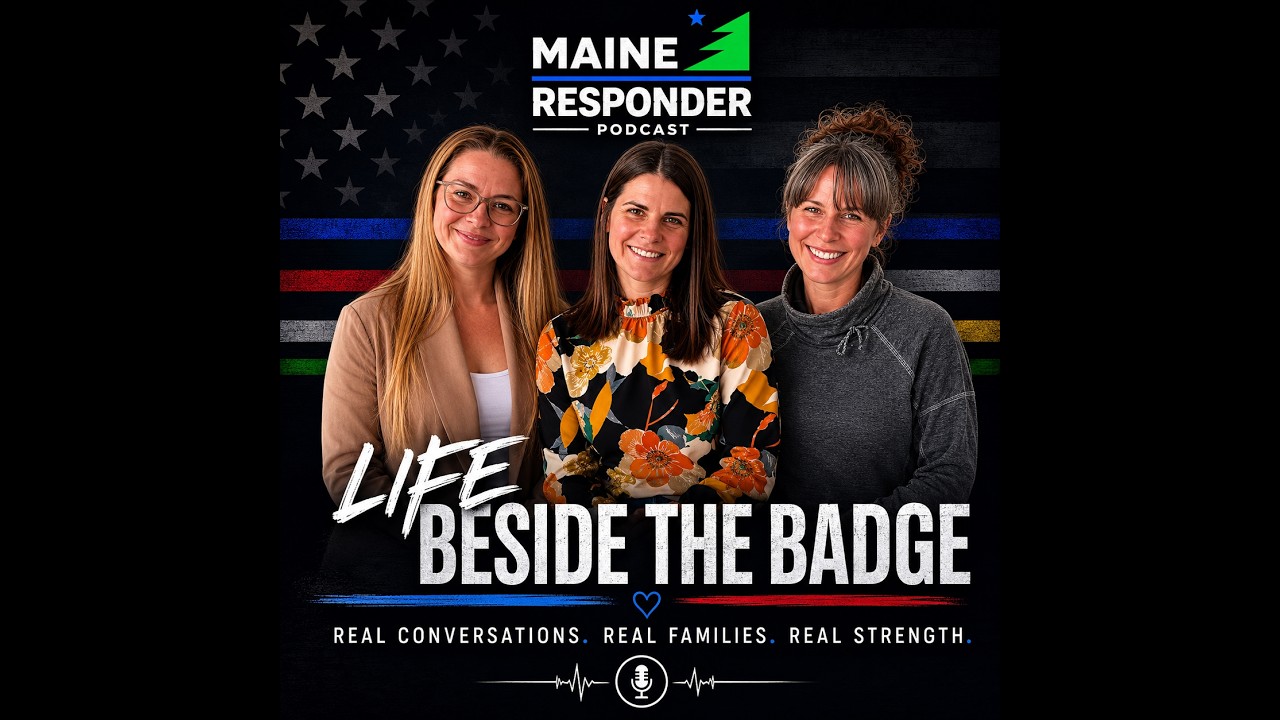
Behind every first responder is a spouse, partner, or family member carrying a weight that often goes unseen.
In this episode, we sit down with the women behind Project Homefront, a peer support group for first responder spouses, to discuss isolation, communication challenges, hyper-independence, identity, and the realities of supporting someone who works in law enforcement, fire, EMS, dispatch, or corrections.
We discuss:
• Why many first responder spouses feel isolated
• The hidden emotional labor carried at home
• How communication breaks down after difficult shifts
• Why hyper-independence can damage relationships
• Practical ways couples can reconnect
• Building support systems outside the job
Whether you're a first responder, spouse, or family member, this conversation offers an honest look at the challenges—and opportunities—that come with life beside the call.
🕕 Meetings are held once per month from 6:00 PM – 7:30 PM
2026 Meeting Topics
January 25 — Exploring Values & Purpose
February 22 — Attachment & Conditioning in Relationships
March 29 — Getting Real with Finances
April 26 — Game Night & Pajamas
May 31 — Transitions from Work to Home
June 28 — Communication: Do’s & Don’ts
July 26 — All About Stress Reactions
August 30 — Local Trail Walk (Dress Sporty)
September 27 — What is “Parts Work” and How Can it Bring Insight?
October 25 — Connecting with Past & Future Self
November 15 — The “How” Behind Happiness
December 20 — Game Night & Pajamas
Connect With Project Homefront
📧 behindtheline.jill@gmail.com
📧 behindtheline.kristi@gmail.com
📧 behindtheline.abi@gmail.com
Elliott: We've got a whole crew with today a â of times we on the â don't always, talk about who, the people beside the responder. that's, what we're going to talk about today. â the spouse, the person beside the responder, they have to dealt with, sacrifices, â unpredictability, â just the weight of the job, which I'm dying to know the weight of the job for all, opposed to what it is for the first responder. Today I'm joined by Jill Ballard. â Abby Brown â and Kristi Carr. I'm gonna go around and each one you â do a little bit of your bio, your background, And really focusing on â spouses group that started here. what each one of you has brought to the table with that. So Jill, I'll start with you if you don't mind.
Jill Belleard: Yeah, absolutely. â So yeah, my name is Jill and I am married to a police officer. I'm a therapist. specialize in trauma therapy. do EMDR. I'm also a certified â provider that works with first responders and people in â safety. â I'm on the peer support team for York County. I also work with Matt Leach for the Wellness and Resiliency Program, development at the York County Regional Training Center. And â that's really all about me right now, I believe.
Elliott: Kristy, you want to jump in there?
Kristi Carr: Sure, my name is Christy and I am married to a police officer for 28 years. He's been in law enforcement for 15 years and I am a bookkeeper, full-time job and then â I am part of the... DOS's support group that we're going to be talking about.
Elliott: think at one point you were at one of our conferences and we, I think you kind of, we kind of made you like, we didn't make you, but like impromptu, get up here and say something. And â did great. You and Bob both did great. So â Abby.
Kristi Carr: Yes. Thank you. Thank you.
Abi: I'm Abby. I am married to a law enforcement officer and have been throughout his career. Um, I'm also a psychiatric mental health nurse practitioner, and I work a lot with first responders as well as the general population. and yeah, I'm part of the spouse group and looking forward to all the things that we've been working on and things to come the last year. It's been pretty â to watch â development over the last year. Christy and Jill were kind enough to have me come on â that's about it.
Elliott: Jill, first of how did this start? â And â you explain what the â spouse support â group, is the right way to say it?
Jill Belleard: We've changed the name over a few years. If you grab all of our flyers, you'll see that. But I'll absolutely explain that. this all started, I had an idea about this when I was working with a first responder in therapy. I realized there was a lot of disconnect between this male first responder and his wife. And as I was learning more about the field itself, some concepts, I thought, hey, it would be really cool if we could get some spouses together to learn about these concepts so that they can bring it home and they can develop a better understanding of their spouse that's been an emergency responder field. So, Ellie, it's funny you brought up that conference, I think it was back in 2023. because that's when Christy, I saw you give this speech with Bob. â Christy and I actually met prior to that because our husbands worked at the same police department. â Christy was actually going to be my doula, my birth doula. And then a few things came up and it didn't actually work out. So anyway, at that conference, I approached Christy and I said, we need to do something. Clearly, you're passionate about spouses. What I know about Christy is she's very open and loving and kind. â And I was more the clinical side of it. So I was like, let's match up. Let's figure something out. And yes, initially, we did call it a support group. But we found as the years went on that it was just more of a peer group. It was became a place where people, spouses, and then I use the interchangeably spouses or partners, boyfriend, girlfriend, whatever, but the spouses of the partners of come and just get to connect and some really beautiful friendships have flourished. So that was in twenty twenty four. Christine, I started more of this official group. It was closed. So Abby signed up, a few other people signed up. We had topics running. We had four of them â once per month. We just wanted to see how the pilot went. â Abby showed interest, and with her career field, we knew she'd be an excellent addition. So she joined us for the year of 2025, I believe.
Abi: I hope.
Elliott: Anybody else want to add
Abi: Um, from being at the beginning on just kind of part of the group, I know I was interested because through being a spouse and watching my husband and his career, having other women, especially, there as a support through having a baby or two babies. And then, you know, the long nights and the calls the frustration of not being able to change something and having to accept but also find voice in the situation. â I've a lot on other â spouses Jill, I had met our husbands now work together â and made a big difference in my ability to cope. And other women, other moms, yes, there's similarities, but it is definitely different. So I watched this kind of unfold and the beauty of it, sitting back and saying, wow, this could make a huge difference. I know it has in my life.
Elliott: this â different â what peer support is, if there's a spouse that's asking themselves, â this is something I need, â but not quite sure, â what I getting into? What â would they expect if they reached out to of you?
Jill Belleard: We do typically tell people that when they come for their first meeting, â they don't need to share anything if they don't want to. we do usually have the member introduce themselves with just basics. have we have posters up. People like to follow the posters with what's your name? What do you do? â Tell us about family. Are you or is your partner fire police correction? dispatched, what have you, and we usually just talk topics We also open up space for people to able to share how their day-to-day is going. And I also hear from some first responders that their partner is interested in coming, but like they're not doing poorly. And so that's where we removed the support group term â because we've noticed that the people who are coming are either very well versed in being a spouse or partner and they understand what it means and they've gone through it. â And then we've also seen people who join in and they're at a rough patch. And I think the beauty of it is that one can teach the other and vice versa. We noticed that we've all kind of gone through a similar exploration, I guess we'll say, in this field like Abby was talking about. So what to expect to come, â you'll get some laughs. You will feel connected. I've heard people tell me at the end, have needed this for a very long time. And I've never felt as connected before with any of my other friends who don't really get it. We have game nights, we do trail walks, and we have some other ideas that I know Abby's brought up. So it's just, it's really fun. It's turned into almost this just like a woman's night. That's what it feels like. I'm gonna go hang out with my friends tonight once a month.
Kristi Carr: because all have experienced certain things â and kind of can â sympathize â with other â in regards to how it is be a law enforcement spouse â or first responder â
Elliott: â was a moment for each of you that, like an aha moment was like, we need this group, you know, maybe â it didn't exist when you had moment, but was there something in particular that was â you know, we need to come together and do something. And is it more for each other or is it more the â first responder or both?
Kristi Carr: I think the impact should be both. I I think we come with a listening ear, but also we try to help. â We try to see marriages thrive. â I think for me, I saw it back in 2016, I think there was 2016, we had a critical incident at York County. And it was the first time all the wives came in and they brought in Kate Brastrup, Braystrup, she is the chaplain. And I just remember her talking and then all of us being around the table and just kind of like crying and just sharing our experiences of having to deal with a critical incident. â And my heart then was just like, man, it's so nice to see other women who are struggling with things that I thought I was alone in. So for me, it kind of started back in 2016. And then â Bob and I had a, there was a critical incident that happened with us in 2019. And then again, we all came together as a â spouses, â they had come and â psychologists to kind of talk to all the spouses. And then again, my heart was like, okay, was just nice to have everybody come around me during that situation. â And then Jill me â the conference and I was like, okay, we got to do this. So â tried like with York County, had some times, but it just didn't, â would peter out a little bit. to this â York wide, it's great to have other departments involved.
Elliott: you Yeah. That's great. Abby, what about for you?
Kristi Carr: involved with our group like all around York County. So even outside of York County, we've had women come, our spouses come in.
Abi: â Just to touch on one thing she was saying and this is part of What I was gonna say about my story is you know The department my husband works at a lot of wives were getting together hanging out But then the dynamics of the department come in right like â so and so heard this and this is what happened so For me when this was brought up. I you know, this is a constructive place. It's a safe place where all of the politics, all of the extra stuff doesn't need to be. You can show up as you are with mutual respect for those around you. For me, I think I noticed I needed support. We got married and 10 days later my husband left for the academy and then, you know, two years later, we had twins and being alone and he was on evenings and just not there. â And until two years ago, it was solo parenting. That's what I call it â while gone. â So somebody who I can send a message to talk to, â
Elliott: So, you.
Abi: Just to support last night even I'm calling Jill because I'm about to rip his head off and Just to have somebody to just go. Nope. You're not you know, that is valid. Also, you're gonna get through this that's to me what this is and what it's worth because the Isolation is where I think most of the depression, negativity spews, which then it leads into work and relationships even beyond your marriage or partnership. And this is a place where you can go and talk about those things, talk about work them through that's safe where you won't be judged. Peer to peer, not with a therapist, not with a clinician, but with other people who are genuinely just there to hold you.
Elliott: Are there any common denominators of distressors you see among the spouses?
Jill Belleard: â Yeah, I going off of what Abby mentioned isolation. I know I've experienced that so. â For example. In my relationship with my husband, initially I really leaned into this career. â For him and. became very devoted to it and then I got really burnt out. And that might look like, â let me get your coffee ready. Let me get this ready. Let me do all of these things for you. And then at the end of the day, he comes home and he has nothing for me. And that's not him. That's just the typical, right? You guys come back home. You've been on all day long. You come back home and you just want to stare at the wall and you need to reset. So I found out that burned me out. And then I started to pull away and almost take this approach of like, know what? through you, I'm going do my own thing, you know, and clearly he has no idea any of this is going on. Right. But I'm like, you know, like, I can't rely on you. So what we notice is that I find that either spouses or partners get into this relationship either already hyper independent, â or they become that way. And they start to think, you know, I can't rely on anyone, because when my first responder partner comes home,
Abi: It's all in our heads.
Jill Belleard: They're kind of dead to the world. They don't really want to interact with people. Compassion fatigue sets in. Maybe they're feeling burnt out. Maybe they saw some things that they don't want to talk about today or they do.
Elliott: I'm going to be talking about the that I'm of I'm going be talking about how I'm to be able do a lot of that I really didn't So I'm going be talking my career as a student. know that I was thinking of the life that I going have as a student. I was that I ever going have as a And I that's going be a great way of talking about my life. And I'm be talking the
Jill Belleard: So that isolation with the hyperindependence, I know that I was feeding into that a lot. had my child was, I can remember like an infant and thinking, okay, it's all me. I'm on my own. And that's such a distorted way to think, because that's not reality. And I know that if I brought that up to my husband, he's like, what are you talking about? But I will see that sometimes, and I don't mean to be gender bias, but I think that women are very socially intelligent.
Elliott: Yeah. I think that the gender and the race is important. And I think that there are two important elements in all of this. I think that if you like to talk it.
Jill Belleard: â And I think that we're too intelligent to a fault. it almost makes us get, I see like nods and smiles. It messes us up a little bit, right? And we almost need someone to be like, hold on, like, wait a minute. Like the male brain is so fascinating to me. You guys are literally focused on this right now while I'm thinking about what do I have to do afterward? Okay, right. â So I would say like this hyperindependence just makes us isolate. We don't want to ask for help.
Kristi Carr: you I know.
Jill Belleard: And a lot of us who are married to first responders are helpers already. All three of us right here are helpers along with you two who don't like to ask for help anyway. So I think the idea of the group is you're not alone.
Elliott: This is a very important point. I it's important that. So, I'm to go ahead and close the link. So, I'm
Jill Belleard: Come join us. â So I've gone through my thing and I will continue to also be hyper independent and it's uncomfortable to ask for help. â So and what I've noticed, like going back to your question before Elliot, when I realized that this group was needed, it was during the pilot. â just seeing tears. And as someone like me who is more hyper independent and emotionally closed off, like I was able to express tears. And that's a really big deal for someone like me. And I'm like, I need this. And I also want to point out that we don't just talk about our partners. All we know is that we just know we have this common denominator â and we talk about anything we want to. But we know that we have that to rely on and that's what connects us.
Abi: I think to your point that that like hyperindependence and it can get reinforced and it's, I'm surviving this way. So I'm going to keep going. And then the invisible emotional labor of the day to day of where the kids going, are the doctor's appointments care of? I have my own career. Just like Jill said, I'm sitting here going, all there's this much time before I have to go get the kids. So how much can I possibly get done before that point? â where I've had to reteach myself that I don't actually need to do that. Because everybody brings to a relationship, to a marriage, to a partnership, their own baggage and trauma and experiences. So I find where we go here. just listening to other people talk about their struggles or even their triumphs and being like, wow, that worked. I want to, I'm going to try that. I'm going to go talk to my husband about that. Um, it makes a huge difference because when a first responder comes home and say they've had a rough day, say, you know, they're just burnt out. They just got forced over two times in a row, you know, approaching them. and my husband used to call it word vomiting because I would just let it all out as soon as he walked in the door. I have learned that I can't, but then that also made me look at myself and what I need. So I do need to say what I need to say. And we've kind of come to an understanding with some tips from the group with, you know, just making space for it.
Elliott: as I think about this group, â As first responders, do we overlook spouses? I know if you, I've heard like, well-rounded wellness programs, Always has the family involved in some way and I've dealt with some good and some bad on that part of it, but are we doing a good enough job outside of this group, right? Which is obviously something that. you we could probably kind of breathe a sigh of relief and say, â there's that group, whether spouses choose to, â belong to it or not. But are we unintentionally not, not doing enough.
Kristi Carr: I think there's been a huge, I don't know, for me, like eye-opening since the York County Peer Support Group started, I really think there has been a huge change. Like before, you know, mental health and all that, I never really heard about it until 2019. I don't know, maybe I just was... not in tune to it, but as far as any groups. That's why there was nothing, I felt like there was nothing out there, but then discovering, okay, yeah, there is some groups, you know, they're in other states. So I think since 2019 or 2020, I think there's been an increase of understanding that this is needed and kind of eye opening for mental health and for spouses.
Elliott: Abby, touched on communication. I think maybe Jill said this â also there are times where I'm like, I don't wanna make a decision. I just wanna kind of sit. â And I turn on the TV but I'm just like going through the motions. never find something to watch. You know what I mean? It's just like, I just need to sit. so, â what would be a helpful... tip communication wise for the first responder.
Abi: I would say on days off or when in a space, it's the communication of appreciation even. Like, hey, I see you. Or this is what I need when I'm coming home. What do you need? â It's being seen. At least for me, it's that I acknowledge that you are also holding this. â
Elliott: Thank
Abi: I think that's the biggest piece because that goes a long way. It's about that isolation, not being in it alone.
Elliott: Yeah.
Kristi Carr: and communicating that, like, I guess. You can always like, okay, he comes home and all he does is go on his phone. doesn't talk to me. But then if you could communicate that, like I would appreciate if like tell him what you need and then he needs to tell you what he needs. And I know that's been such a huge topic in our group is like that communication of, okay, I need that first hour where I just as a first responder comes home, he needs that quiet time for an hour. and then we'll eat supper together or whatever. Or that first day off, I really don't want to be expected to do anything. But you can push me on that second and third day or how many days you have off. But it's communicating that, which is huge. Instead of bitterness and anger because the first year's first responder isn't doing what you want them to do, â communicate it and tell them what you need, what your expectations are, you need to hear their side too and stick to it and do it. And I don't know, it just kind of helps.
Billy: what I'm hearing is the balance aspect of. The individual officer and their identity as or first responder, as a first responder, combining that with the balance of being a spouse, â a parent. Being a good communicator and â yes, you're committed to the job, you're also committed to your family. So â I guess the struggle with us trying to get that balance of figuring out how do you communicate it appropriately on both sides, you know going back and forth. Does that make sense? Like, where do we come up with that to relay the importance of that? and balancing the independence of yourself, your spouse, â and being a first responder.
Jill Belleard: So. And if I'm answering it correctly, â so stand tell Cody, she's someone that I work with. She's a marriage and family therapist, also a sex therapist. And she and I have put on a training twice so far. And it's literally just about talking how to talk to your partner. â And it's laid out. So for the first responders who love protocols, this is a protocol. grab it and you just follow the steps. And when you go through it, it's like this just makes so much sense. It's almost stupid, right? Like we should know this, but we don't. We don't talk like this on our day to day. â Like I mentioned before, sometimes we're coming in to a conversation with resentment. not coming in at the right time. It feels too abrupt. How do I invite my partner to a conversation? â How do I talk about how I feel and they understand not to take that away from me and not to give excuses and they allow me to express? And then how do I give them the space to just talk and then I can validate them? â So it's, I think it's like five steps of just inviting how to empathize, how to validate and how to check in and say, like did I hear you right? That's a big part. â I heard you say that you were upset that I got ordered in in the middle of dinner. Is that right? Yes, that's right. Rather than walking away with â she thinks I'm an asshole because I had to go to work and now they don't have to carry that anymore.
Abi: I think to what you said, Jill, it seems so basic. It's like â who's been in â therapy, some of these concepts are very basic, but the â is getting back to it because of life, because of experiences, because of, you know, the fast pace of the world we live in, it's going back to it. And â attended one of Jill's trainings and my husband and I still do it. We still use that or... because, okay, we have to be intentional. I think it's the intention, putting the time and the intention in. And that's kind of where you go from there. And that resentment, if you don't say it, it's gonna build up, especially for spouses who also have demanding careers, also have their own stuff. Even someone who's staying home all day with kids, that's not easy. So it's being seen and heard and having an intention.
Jill Belleard: We're supposed to give five appreciations to our partner every day. Every day, five. And not just, hey, thanks for getting my coffee ready, but I appreciate you for this and this is why. And then we mirror it back. I heard you say you appreciate me for this. Is that right? Yeah, it's right. And so it builds off that intention and we both know it's been said and we can acknowledge it. Five, can you imagine like how much better anyone's relationship would be if we actually did that and set aside time for that? â But like Elliot too, back to your question, I do think that spouses are overlooked. I also know that first responders in general have been overlooked. â And so we are going to be as well as well and. â I do think we can do more things at the peer support groups. When I get to go to a debrief, I try to bring a flyer and I talk about spouse groups and that if someone's spouse is having a hard time while they're going through their own coping with what they just had to see or hear or smell at a call, that they can come to us. â We've done one of our own debriefings before, the three of us with another department and we're willing to do more. We also have a list of vetted spouses, partners who would love to talk to other spouses and partners who just want to talk and maybe not even come to group. We found that to be pretty effective too in trying to build a bridge over the isolation. And all you need to do is pick up your phone and text and then you know. So yeah, I do. And like Abby was saying, think intention would be, is huge. Just an acknowledgement. And I think that spouses can do a better job for their first responders too. I know that I can do a better job acknowledging everything that my husband does. And I know that when I do that, he feels good and I get it back. So it's a lot about what am I doing? And at these groups, it's a lot about what are we doing that we can change? â I'll usually be asked by some clients, you know, is my wife just going to go to one of these groups? Is it just like a bitch session? And I have to say it's not because we have we talk about confidentiality. We talk about not having to share â personal or descriptive details. So you can come and not even share where your husband works. So we have some. boundaries in line where it really doesn't turn into that. And if for someone needs space to vent, we usually come in with a how to â or even just validating and other people head nod. I think that's the best part of the group is the head nods and that my husband does that too or that I do the same thing. â Those are probably the moments that I love the most.
Kristi Carr: Mm-hmm. Yeah. It's like the I'm not alone.
Elliott: Being intentional. I â am just at that. â But I can actually say, â this is a moment I really should be saying something nice because that was what my wife just did. I try and â after this, I'm going to actually try to do it more, but it's just an uncomfortable thing. I don't know. I don't if that's just how I raised or whatever, but.
Jill Belleard: It's different.
Billy: Yeah, â the component of, she's in the game as well, so she understands and you could be in your head going, she knows exactly why I'm saying this because I'm supposed to say this, but I really do mean it. â So â I that for sure. And the intentionality of the five appreciations. â I feel like personally I do a pretty good job of I don't want to pat myself on the back because I know I'm not the best saying five different things and being specific of it. know Laura she's got four businesses so when she comes home she's unraveling all that. So at times I feel, most of the time I feel she's got more stress than me. So I'm trying to be very cognitive of that. And then my teenagers come over and it adds that much more to it. So I think.
Kristi Carr: You
Billy: I'm going to use those five. Yeah, I think I do a couple, maybe not every day, but I'm going to make it a point. And it's not just a check the box thing. It's going to be, you know, with intentionality of it. And I appreciate that heads up right there. I think that's fantastic. And then also the why. Just explaining more why you appreciate that gesture. That was pretty hard for me. And yeah, so thank you. â
Abi: I just to joke, my husband early in his career was really bad at that, like really bad, he still is. I would go and put reminders in his phone to acknowledge me and like, don't forget I exist, right? And that was maybe like a backhanded, like we joke about it, but it's, hey, here's the thing, like I text in the middle of the day, that changes the trajectory.
Billy: That's effective communication, I think.
Jill Belleard: Absolutely.
Kristi Carr: And I think it's hard because everybody has a different icon, like love language, which you hear. â So it's being selfless and like, what does my spouse need? And it's giving them what they need without expecting it back, but it is nice to get it back.
Elliott: . Christy, I'll start with you. â a new officer and their spouse is gonna, join this group, but if you had a piece wisdom, to â offer, what would it be?
Kristi Carr: My biggest word is like, give grace. Like, they're not perfect, you're not perfect. â I think for me going into it new, was like, â my husband's gonna be a police officer. Just it's like, â like I'm married to a police officer. And then the, the, â what it really is like. It's heavy. I never thought of the heaviness that is out there. I really would hope anybody new would just be part of the group. I think it helps so much. It just lightens the load a little bit â of the stressors that come with being first responders spouse. So seek it, whoever is new and it helps a ton just knowing that there's other spouses out there who have gone through this who might have some great tips on how to get through your marriage to stay married â and to thrive in your marriage.
Elliott: Abby, your words of wisdom?
Abi: Definitely everything Christie said as well as It isn't comparison. It isn't hey I did this so you did that or you should do this because I'm doing this in this relationship You're never gonna be 50-50. You're never gonna walk through the door 50-50. So Some days one's gonna hold more than the other and if you're noticing a trend, that's when you communicate and also Finding an identity outside of the responsibilities, meaning whatever your work is, being a spouse, have an outlet of some sort yourself that is just for you, that you can have. â I think that, at least for me, is what saved me through a lot of ups and downs. And we still have years and years to go on this career. And we'll go from there.
Elliott: you Jill?
Jill Belleard: I would say to â â It might be hard â be vulnerable and open up â because we are not mind readers. â Your spouse, â or female, does not know what is going on in your head â there's no they should know. â â Talk about it. Tell them how you're feeling. Tell them why you're upset. Tell them why you're happy. Share the good things. Share the not so good things. And I think that that has really helped me feel understood. â Back when I was doing my own thing and I never needed to. â So just talk.
Elliott: Mm. Abby, you mentioned the identity piece â is it a thing, where, somebody will say, â there's Abby, the cop's wife, is that a Is that, something that is â difficult to deal with â or is it not a thing?
Abi: I think it can be, especially with the persona, it can be different ways. Like, â I'm very proud my husband's a police officer. And then it's some people I don't say my husband's a police officer to because of the, know, conceptions that are out there and thoughts about law enforcement and first responders. I'll give you example. When he was at the academy, we all go up â and as spouses, members, and we sit in a room and they say, â your spouse is gonna go through all of these things, right? And you're gonna have to show up. â I remember sitting and just raising my hand and saying, hey, but you know, my job's pretty intense. where â do I fall this? â So when it to... â identifying myself and what other people's persona perceptions of are of me, I guess, feeling good about who I am in the role that I am as a spouse, then I can manage all of the outside stuff, right? Like at the end of the day, if I understand where I am, I can deal with how people speak to me. I hope that's answering your question. I kind of went on a tangent.
Elliott: Yeah, absolutely.
Kristi Carr: Everybody always thinks I'm Because I'm a cop's wife, I carry. So that's always like, â you can protect me. like, I might not be carrying. I'm not going to tell you. But it's like, yeah.
Elliott: Yeah, that might be helpful. â what given you, you know, encouragement or just â reminded of why you even started this group to begin with?
Abi: â yeah, that's a good.
Jill Belleard: I love seeing, so our returnees who have been with us for years now, I just love seeing them walk into the room and just pick right up with each other because these are now bonds that may have never been there before and they're so close now. That's why I love our returnees. They are lovely humans. And then I love when we get a new participant and they jive just so well with our returnees. â That's when I realized, okay, we're doing the right thing and we need to stick with this. â Every year, even if no one shows up, we're going to be there just in case. â But that hasn't really been the issue for the past few years. That's my favorite part, getting to sit back and say, this would not have been here if we didn't do this.
Elliott: and.
Kristi Carr: And it's so encouraging when you get that random text thanking us for what we do. Or someone who sits in the room said, I didn't feel like coming tonight, but I needed to come tonight. And it's like, that's rewarding.
Elliott: as a a chief right â I â you know really buy into wellness our mental health but I ran into a wall when I to family involved And the wall was basically because there was too much â And it ended turning on me, I ended up hearing that officers and their spouses are negatively talking about me, which is part of the job. I have to accept that, but it crushed my soul because I thought that, there was something deeper there. we were in this together and now, this, this moment of like, whatever, and I did confront it. I talked to everybody. It was true. â you know, and we had a nice conversation about it, but it changed everything for me And I know that's probably not the, or at least chiefs aren't saying this. And it's not usually the way, right. It's usually the other way around where the officers are talking about command. We make a lot of mistakes. Believe me. I. have made my share of poor decisions and mistakes and â moments that I certainly regret how I acted. But I feel like this is that wellness piece that â have yet to work through. I haven't figured out to just bring this back together, maybe because I'm not ready, or maybe I should have nothing to do with it, right? I struggle with it and I â think it often. I'm like, you know, I just don't want to put myself in a position that â honestly, I get hurt again, you know? And I know that is part of the job. â I'm very thankful you're doing this. But for I'm like, okay, now I have an avenue where I can say, there's this group, you know? And â I don't know, protect myself â in a way, which is probably not the I know I'm not doing the right thing. here and I need to approach it differently, but that's where I'm at with it. And I don't know, any thoughts on that? I feel like you're bailing me out because I don't want to try to go that route again, which is sad. I don't like that I'm even saying that, but it's the way I feel.
Kristi Carr: vulnerability part of it â â â you do say something, I â thought, I don't know, I have thought that we may get a spouse that comes in who's â first responder struggling with alcohol. I mean, we have outlets, â â may have that come in where they're struggling with. â the spouse has cheated on them. We haven't encountered anything like that, but it is a possibility because we're all human and we fail. â But it's being that vulnerable and when you are, unfortunately you do get hurt, I think. But we want to be that group where they can be so we can seek help. That's the biggest thing. We want the families to thrive if they need help.
Elliott: Yeah.
Kristi Carr: but sometimes it is being vulnerable and actually speaking truth of your first responder.
Elliott: yeah. Abby, did you have something on that? â
Abi: Yeah, I think you're not the only chief that I've heard say like I wanted to get, unless I misunderstood, but getting people in your department together. to, know, why is this not the connection not there? You know, I don't know what to do here. And even our department, we've, you know, talked about that. And it is the drama piece and it's so and so did this and it happened on shift and then so I don't know the answer. Other than this is why this group is beautiful because it's not about a department. It's a separate entity. It's, you know, it allows that space. Kind like I said in the beginning, it's takes that away.
Elliott: Okay. you
Kristi Carr: I feel like our group, have been, they talk about, it's just gossip, gossip or whatever, but it isn't, it's more personal, like what the spouse is struggling with. It's not often that we, or at all, that I can remember that we have any department problems coming in. It's just, it's so personable and not outward. I don't know, which is cool.
Elliott: Yeah. Yeah. Yeah.
Jill Belleard: And you know, Elliot, like I know that all three of us can validate you when you talk about drama because we see it in in departments. We've been part of it before. Like what I have found with our group is that.
Elliott: Thank
Jill Belleard: Usually if someone shows up who is more dramatic they don't typically hang around for as long because the majority of the group is not So what I'm wondering too with your situation is like if you continue to still have the event let it play out and the dramatic people might show up or they might say you know what I want nothing to do with it because it's so and so and that's fine then don't come. â I think it's still having the event and you still showing up as a chief â which you want to do anyway and the spouse is showing up if they think that it's what they'd like to do. And it's still there and it's consistent. And I find that to be really important. â if departments have consistent get togethers, people will come or they won't. And if they don't, then maybe it's an okay thing. Maybe it wasn't for them. â But that's what we found in our group over the past few years. We've also found too, like I've been speaking with Abby about this, that I don't know if the spouses from our department are really close at all. So our department really doesn't get together much anymore. And so we're trying to change that from the back end, so to speak, and get some cohesion.
Elliott: I think that's kind of where I am now. I'm trying to keep myself in some kind of weird emotional safe space. But I think there is something to... â like that. Having the event anyway and â pushing it aside and making it my â really. â What's your hope for this group? what's the, I hate to sound like an job interview question, but like three to five years from now, like what do you see for this group? Or is it just kind of still rolling the way it is, maybe growing a little bit or?
Kristi Carr: I'd like to get the word out there so more spouses would come. I feel like we've kind of extended our emails have gone out to like chiefs and we try to pass out flyers and I would love to see more people.
Jill Belleard: I hope
Elliott: Jill, you have something?
Jill Belleard: Yeah, I hope that if more people attend, maybe we'll be able to develop our own spouse peer support team. I'm sure it won't be utilized nearly as much as the York County team, â usually for the more intense traumatic incidents, â for that to be utilized, for us to have some one-on-one as well. Also for us to bridge out of the space that we meet at once a month. â I know we've done some trail walks in Abbey and I know Billy, I know you really like this. â Abbey has brought up the cold water immersion. having some fun getaways. â I don't know if I'll join that time. I might just be sick â or unavailable.
Abi: I've waited till June for you, okay?
Jill Belleard: just more connection.
Billy: I've got an ice supplier.
Abi: get her there.
Jill Belleard: Something really cool. â I don't know what's happening with it now, but up north, I won't name the department, but they heard about us and there's someone who's starting their own spouse group up north. I'd love to see more of that throughout Maine because I know that there's some, â some people are like. remote, but I'd rather see people in person. So sometimes we struggle with that. Someone from far up north will say, I want to join. And I'll say, but it's so much better when you can be here in person and build community with the people in your community. â So I love hearing that this might be spreading more across the state. That would be something I'd like to see.
Elliott: What would you say right now, somebody who is not in your county â and it's a spouse and they're feeling isolated? They might stumble across this podcast and say, this makes sense. â they could reach out to you, â but let's say they weren't comfortable. another avenue? that they might be able to just to feel a little bit â connected or whatever it is that they might need. â
Jill Belleard: I think the least intrusive thing that we can offer right now is just hooking them up with someone that we've already vetted just to text and chat. I think that's our least invasive approach. know that â Abby has done it before. A few other of our members have as well, and it's pretty like. Relaxed nonchalant. And I also tried to find out additional information about this person so that I could hook them up with someone who, you know, maybe they're married to a firefighter. And maybe they do or don't have kids. They do or don't like to read books. So I try to find some of this information out and then I hook them up related to who they could connect with. I think that's what we can offer right now. I know that there are some books out there too. â Cindy Doyle has a podcast, Code for Couples, her podcast, and she has a book. That might be another option as well, and others too. Abby, Christy, do you guys have any other ideas there?
Abi: think that's a great idea. Or just talking to one of us too. Sometimes the scariest thing is like, who are these people? And walking into a room with a group of people that already know each other. â So having a connection before walking into that space could be helpful.
Elliott: Right.
Kristi Carr: you
Elliott: Yeah, here's an example of that, So my daughter, she's eight, I two daughters, and she wanted to go to church. â And â we're, we're believers, but not really in church anything. I had to go to church. But I've always kind of been like, I gotta get back in there. You know, I gotta, â I need to get a good message, you know, and... And it's interesting because I have that feeling of not so much isolation, but, yeah, I wanna wake up on Sunday and I wanna get a message that feels good and it's a good way to start my week and you know, but to walk through those doors, which I say this for so much, I say this for Jiu Jitsu, I've said this for yoga, I've said this for all these things. â It was hard and I'm like, â I started sweating, I was like, maybe I don't belong here. It was horrible in my head. It was amazing. You know, once I sat down and got comfortable, in the moment and was talking to people and things like that. â you know, â those are out there. You know, I'm one of them. I'll stay quiet until â I the courage of my eight-year-old. You know, once she says, we got to do something, I do it. so it's interesting. So I do hope that, somebody stumbles upon this conversation and does reach out. And it's great now because there are so many ways, right? Text message, social media, It's easier than it's ever been, so one thing I don't think I asked was how often do you meet?
Jill Belleard: â So something I'll say to your point just then, Elliot. Someone had mentioned this before, our returnees also don't want to come sometimes. So our returnees are like, they'll show up and be like, I didn't want to be here, but either my first responder partner, husband, whatever, told me to come, but I'm so glad I'm here. So whether it's your first time or your 50th. â
Abi: was just thinking that.
Jill Belleard: there's sometimes a sort of dread. And I don't know why, because we know it's so good for us. It's like going to the gym, right? We get dressed and we pull up, we're like, oh, frickin' A, like I have to go in. So I say that. If you're nervous to come,
Elliott: Yeah. you
Jill Belleard: Other people are kind of dreading at some level coming too, but we have the best time and none of us are intimidating. None of us and something that I love too. And I know all three of us are our Leo spouses, but we now have more fire and EMS spouses coming and I think that's so cool. â And I also put it out there as a challenge. I love love love to see someone who's in a relationship with a dispatcher or corrections come.
Kristi Carr: Thank
Jill Belleard: come because we've never had anyone from Corrections or associate with Corrections come before. So I just wanted to say that to what you had mentioned, Elliot, it's so totally normal. Come and you'll gel right in. And then I forgot the other question you asked because I talked too long.
Billy: Before we hit that question, I want you to listen to the words that came out of your mouth and apply that for the ice bath. We're all afraid to do it, but once we do it, we're all hallelujah. Let's go.
Abi: It's Friday afternoon.
Kristi Carr: Hahaha
Jill Belleard: You got it, Billy. I mean, how can't I now? I've been called out. You got it. It's not.
Abi: Thank you.
Billy: You've played right into that. Thank you very much. Abby, we got this.
Abi: going dipping.
Kristi Carr: Thank
Abi: I'll let you know how goes.
Kristi Carr: Bye!
Jill Belleard: I remember now. We do, meet once a month at the, usually the last Sunday of every month, unless it's a holiday. So on our flyer, we have that all mapped out. So our next meeting is going to be, is it the 31st of?
Kristi Carr: Ready for this. Yep.
Jill Belleard: Yes, well May 31st and then it should be June 28th and we need. â Let me make sure I have it here. Yeah, June 28th. So we meet from 6 PM to 730 PM and it's in Alfred at the York County Regional Training Center. I have all that on the flyer too and even some directions for people who might be a little bit more anxious going somewhere that never gone before. I have my phone number on there. They can call me. I I might have removed Christie's and Abby's because I had so much information on the next flyer. They can always call me and text me, say, hey, I don't know where I'm going. I'll meet you somewhere and bring you there. So yeah, once a month is where we're at now. If we grow, I think our idea is to break off, maybe have twice a month. So we're prepared for that. So yeah. That's when we meet next. â And our next topic is talking a bit about transitions from work to home, which we've hit on a little bit today.
Abi: I think it's very hard to, in a conversation, really explain the whole essence of this group. I think there's a lot that goes into the career and it's family-based. And this group allows me to feel centered. so I can be a parent, so I can show up so that I can be there with my husband so he can show up for our kids. Because it's a whole family unit. â And we have lots that come to our group that may not have kids, stepkids. There's so many relationship dynamics that go on and it's just a space to be as you are.
Elliott: Awesome. Kristi, anything that you want to mention that we didn't cover?
Kristi Carr: â just our â desire to help â spouses, and to see â their families and their thrive. â
Jill Belleard: â we could here for another hour. â I could keep going. I â I think I wanted to mention that maybe will hit some people out there. â
Abi: You
Jill Belleard: is, you know, with my husband, what I've noticed is that there's a huge difference from like working the road versus working a specialty. And I know that most fire departments don't have specialties. So this is a little bit different for them. But I found that when my husband was working the road, there was so much more disconnect. There was so much more difficulty when he'd come home and like just don't want to like just staring off because of the hypervigilance that now needs to settle down in the nervous system. So it's when he moved into a specialty that I think he started to really learn how important family was and really starting to adjust that as the top. Like he said to me, know, I'm going to take this day off because I want to be with my family. And I almost was like, what? That's incredible â and he's he's on the SWAT team, know, he's just like he he's ready to go Like he has always wanted to be in this career. So that's where he's starting at â So it's just been really neat to notice how the hyper vigilance is different. And so with with firefighters, it's going to look different than that because they're probably going to be coming home anyway, already seeing things and there's not so many specialties to take a break from. anyway, everything that Abby Christie had just said, absolutely. We're here. Come if you hate it, don't come back, but give us at least three shots. And I think that you'll love it. Yeah, I think that's, I think that there's probably more. â But that's what I've got for now.
Elliott: All right. All right. I appreciate it. Billy, any last thoughts from you?
Billy: I think just overall, really, just hearing the perspective and. how you guys approach everything from dealing with conflict, what's been. what the first responder brings from work to home and how you deal with that in â your circle, your group setting and the communication standpoint, we've talked about it several times and I think every conversation that Elliot and I have had, the importance of communication has always been said at â one way the other, whether it's good communication or bad communication. That's you know, that is that is what we need to really set home and it does feel like That's what you guys are. I don't want to say preaching but what you're Giving as a message and supporting is the is the communication aspect of it. So I Just thank you guys for what you're doing and what you're providing For the for the stronger half of the first responders in in our mind, I guess in my mind. So, thank you
Elliott: This has been awesome. First of all, to, you know, I've seen some of the flyers. I think I've even hung one up in the patrol room. But to hear you all and, see the passion and really what to expect, I think is priceless. it's a great thing. So I'm really grateful that you're all doing this. And I'm grateful for a little takeaway I got today because I know I'm getting in my own way. with some of my wellness stuff. And I know I have â at least this to rely on, but also some good advice that I can put into practice â tomorrow, maybe, not today. But â so really, think, first of all, thank you for being patient with our technical difficulties. â I hope we can do this again â
Kristi Carr: No.
Elliott: First of all, work through those difficulties and have it be a little smoother. my head wasn't rattled a little bit at the beginning of this, but I think it kind of, it morphed into something really great. again, I'm so thankful for what you're doing and I do want the word to spread. So if there's anything that we can do with our small podcast or even, know, on the police side, we really are â happy to do that. So you all. for taking the time to be with us today.
Kristi Carr: Thank you for having us and being able to share our passion with others.
Abi: Thank you.
Elliott: And with that said, we always close out with saying stay safe. So everybody stay safe.
Kristi Carr: Thank
Abi: Stay safe.