
 Apple Podcasts
 Spotify
 Youtube Music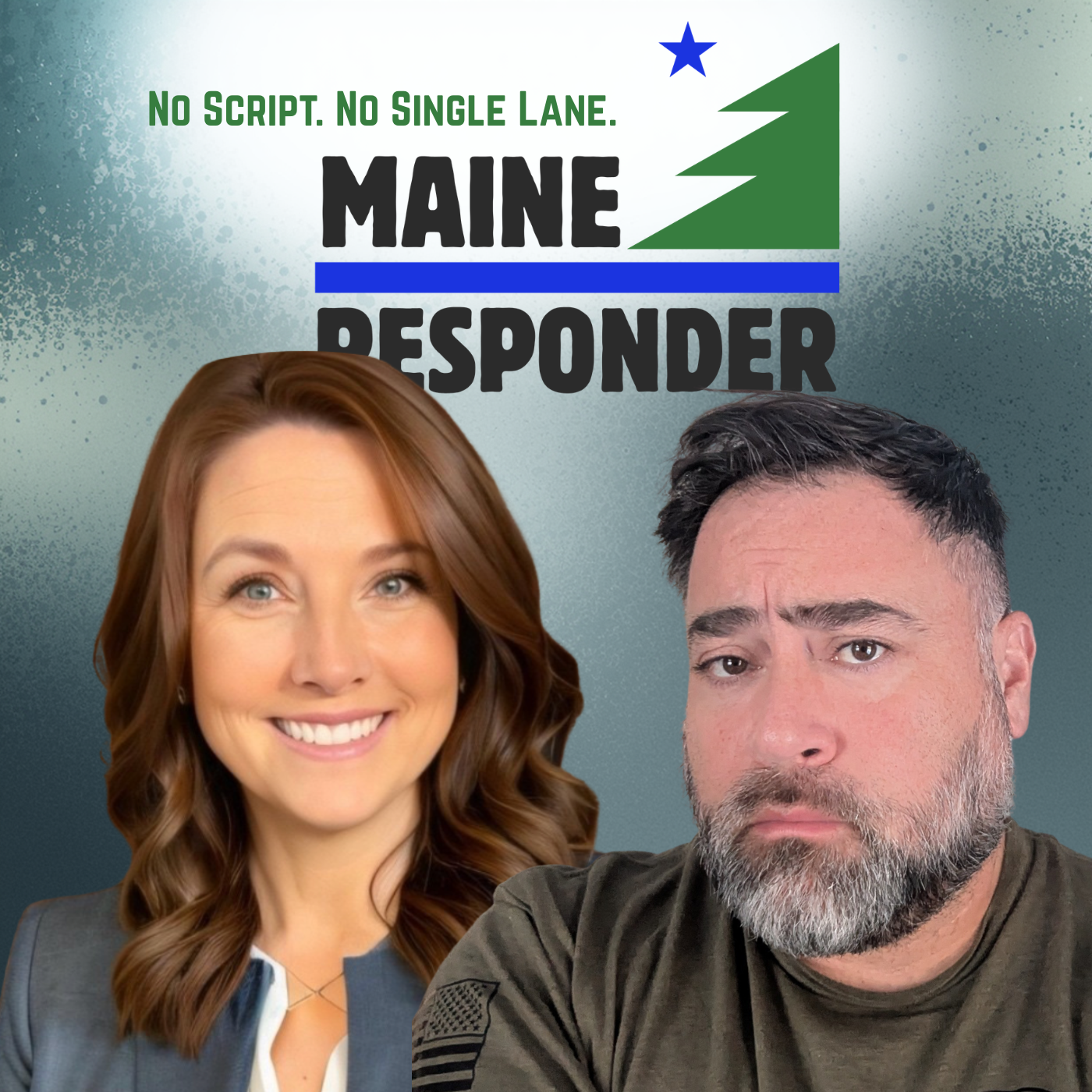
In this episode, Elliott is joined by his wife Rebecca for a conversation that started during a first responder wellness training and quickly turned into something bigger.
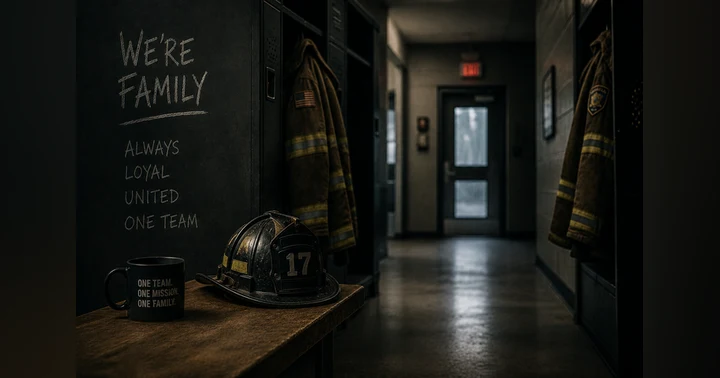
They talk about the idea many responders grow up hearing: “We’re a family.” But what happens when that belief collides with reality?
From institutional betrayal to burnout, boundaries, and the emotional weight of the job, Elliott and Rebecca explore why redefining that word might actually be healthier for responders and their real families at home.
They also talk about the importance of balance, the difference between camaraderie and family, and how protecting your well-being sometimes means drawing clearer lines.
And in true Maine Responder Podcast fashion, the episode ends with a very important mission from a special guest — Elliott and Rebecca’s daughter — who is on a serious Girl Scout cookie campaign.
Because supporting young entrepreneurs is part of community wellness too.
Update - Charlee made camp thanks to all who supported- we are really grateful and now Charlee has focused on helping sister scouts that haven't quite met their goal.
Elliott: Okay, you got me today. Billy's off on vacation somewhere warm, joining me today again is Rebecca, lovely wife. Indeed, I am lovely. â Jesus. â This is the Maine responder podcast, real conversations about work, the pressure and the lives shaped by service. There's no single lane here, no script, just honest talk. Let's get into it. Rebecca is here again. You â heard her on the first episode. nice to have you back. Thanks for me. last Friday I was a, co-presenter, â a training the York County Regional Training Center. I hope I got that right. I think that's how you, that's â all the in the title. First of all, gotta say it was really nice in there. It's a really nice facility. It â was almost a bit intimidating when I walked in there, because I had that college, that academic vibe with the â stadium seating, the lights were dim. It was awesome. I really liked And â it's just motivating for first responders have a facility like that. in our own backyard just to be able to train and all that. think it's a huge game changer. So big shout out to every single person â made that happen. it was cool to be able to be there on the, â presenter side. â And topic was, basically moral injury burnout. the gist was, that it's not always the call for service that really stings, I really, I like that topic. So I volunteered to speak about it along with Dr. Harmon and Abby Brown, who were both fantastic. together thought was really cool because I kind of just got to listen to them talk and I was like â soaking it all in and learning. So it was good. that was it was a great class, but that's not really what we're going to talk about today So I'm just going to get into it â one of the things during that presentation â Rebecca's here with me because she attended the the and one of the things that just up organically coming out of it was the concept of using the word family within the first responder circles. what I mean is that we often say at work, we're a family, we're a family here. I've said it before, like trying to do my recruiting spiel for people that wanted to come and â join the team, â you're love it here, we're like family. So I definitely have done it. But then at times you realize that you're just not a family. And the reason why I think this is kind of cool to talk about is because you and I were talking about it and you just had a really nice way to explain everything that was in my brain that I couldn't really get out. So I'm gonna look to you right now to do the same thing. Well, I think it's something we've talked about at home before and kind of concept that there should be a difference between work. and family, and it's just not something that you've kind of ever talked about in public before. So â I cringed a little when you dropped it in a room full of people, because I think there is a belief â it's a brotherhood, sisterhood, a atmosphere, â and I did not how was gonna go over in the room. if you recall, I kind of said, have to hang on. I want to go back to this. I just felt compelled to say it. â too many little things that I have been holding to inside I don't say. And then when I say them, people are like, â you know, I was thinking that or I'm so glad you said that. â it was kind of a risk. I guess I just rolled how I roll is I'm going to say it. It's how I feel. And even if people don't agree, it's how I feel. Bring your authentic self. That's how you connect with people being authentic. I think that's true for everyone. When I think about it, I have mixed feelings about that concept. the biggest one being that when â responders go to work, you want for everyone there to protect the that they serve, but you also want them to protect one another and get them home safe. So in that sense, you you kind of want them to feel like family because you want to take care of your family â and sure that your family's safe. On the other hand, I think when you start identifying your family as people at work, it's easy to then reinforce putting your family at home second, or it's easy to then start saying, â it's okay if I miss this, or â it's okay if I jump on that overtime, or that detail, and just kind of... put your family that's second to the workplace. And it seems silly that just using that word is gonna, mess with your psyche or your brain where it's gonna be impactful in that way. I got into police work searching for camaraderie similar to what I felt in the military. But those are two different things, and I realize that now. when you have these ideas and you have these, â I guess maybe even as a chief, I these ideas and thoughts I'm gonna change things, I'm gonna make them great. everybody's behind you, supporting you seemingly. then all of a sudden â something happens, And you're like, wait a minute, don't really, they're not as invested And, and I mean, there's no other way for me to say it than other than it just, it hurts your feelings and it makes you realize like, this is not, what I thought it was. This is actually, they don't give a shit And you have, of course they don't get, you know what I mean? and it's okay. Look, you gotta just play the game when you're at work. So as long as they give a shit when they're at work, great. I think I was just so invested that I wanted to take it further. did think, I did say, Hey, we're, you know, we're family. And that was never really like â how I felt my family, family, but it did work out my psyche. If that's even, if that even makes sense, was something that I wanted inside I Wanted to be close with these people and I still do you know, it's it's not that it's just different line has been drawn and I it's actually better and I and my expectation Yeah, I want to be careful here, but â it's lower But I haven't changed, my passion for â wellness â Taking care of another growing officers that don't have as much experience, like â what drives me now, â different the â patrol or investigative work. And now I feel like it's my responsibility to make sure that people are well to a degree, the best I can. the different perspectives that were brought by you and Abby and Karen. One of the concepts that was discussed was like institutional betrayal. â And when you think about occurring, whether it be â a missed promotion â or like you weren't after a particular call or event, â if you're identifying â and really feel like the workplace is a family place, when those types of betrayals occur or those kinds of disappointments occur, it's gonna cut deeper than if you have that boundary that allows for you to say, is my workplace. My family is outside of these four walls. What do you think? It's exactly it. It cut deeper. â And a little bit of that is just, again, like I just kind of being repetitive a little bit, but just how invested I was just that philosophy of wellness and taking care of each And it was just, we were moving, together â in one direction. When that, that experience happens when you're like, oh, people aren't bought in, just, it does cut deep. I can't really think of a better way to say it. I think when you have those lack of boundaries. It allows for your feelings be more invested than they should. And then that impacts your wellness at work. There's no way around it. If you're â betrayed and then you're feeling hurt that people you â like were your family were always going to be there for you, â no way that doesn't impact your overall wellness, your performance at work, your commitment at work. probably impacts people's commitment to that particular workplace. And then I wonder if it impacts, like if people are constantly looking for that, are they going to different departments and looking for that and seeking that out? And does it really even exist? And should it exist is the bigger question, that concept of family. Or is it that we're just needing to redefine what that looks like? Because you can have a supportive work environment. you can have people that have your back and are looking out for you safely without calling them family. Just re-identifying what that is and setting those boundaries so that way when those betrayals occur, you understand that it's happening in the context of work and not your family. The boundaries is an important thing. it still doesn't take away your, you're on a different level for your colleagues. It really doesn't. There are things and moments that bring you together. You still want everybody to get along, enjoy coming to work, get home safely. You still want all of those things. You can still have all of those things and achieve all of those things, but identifying it in a different way than using the term and the concept family. I've been enjoying writing some of these these blog things, little ideas that come up. And then I try to, find articles that support it. And of course, there's a ton of them out there. they're not about first responders. They're not about, police or fire or, It's not it's that it's actually, corporate organizations. a few articles that I found in Harvard Business Review that go into the same concept, you your coworkers aren't your family, and it's just, about the boundaries and it's the same conversation. So, as I start digging deeper, it's all very similar because it's a freaking job. Well, I think it's funny that you're coming to this revelation for you now. Yeah. But remember when I worked at my prior employer. And it was definitely some institutional betrayal there that occurred. And I was really committed to my team remember I loved my team they were hard working. I wanted to support them and be there for them. And I just was not functioning well like from a wellness perspective for it like it was not. healthy that work environment was not healthy for me personally, but it's such a strong commitment to my team that you remember us sitting and having this conversation and I was just like well. I don't think that I can make that move because I don't want to hurt my team or impact my team. And do you remember what you said to me. Clearly I don't because we might not even be having this conversation you said to me. If one of if your employees were offered. a substantial amount of money or the ability to take them their dream job across the country and live in a villa all of these amazing things would they turn that down for you. â And it kind of my feelings that you said that. But it was true. And I think that's that same concept weren't my family and I can't make decisions for them. I had to have that boundary and I did not have a good boundary about that. And then the minute that I set that boundary, not that I was leaving them, that I was making a choice for myself. â I ended up moving on into a career that was just really a good step for me. It allowed me to open more doors and do different things. But had I continued to stay in that mindset of I don't know that they were like my my work family and that I owed them something or or those pieces that I would you know not have been taking care of myself and I didn't have good boundaries around that and honestly that team I still talk to most of them they've all made amazing changes in their own careers and most of them have moved in different directions and â none of them are still in the same position so it clearly was â the right message. my point is that it exists in all types of work environments, not just the responder world, but I think the sense of safety and keeping each other safe is what drives that feeling of family because when you think of your own family, you want to keep them safe. And I think that's the concept that is being applied to the first responder world is that concept of wanting to keep each other safe and making sure everybody's taking care of. they don't have to be family to do that. â So it's so funny because you can, know, it's easy to offer advice. You know, it's like, like looking from the outside in and to offer advice. And clearly, I don't even remember that I said that. Good advice, though, you know, but then you forget it when you're entangled in your own, noise. It's harder to figure that on that stuff out for for yourself. But like one thing I know for a fact, and I think it's a strong point about the relationships that do happen at work for anybody, for first responders or anywhere, and I think you just said it, is that you still care for those people. 100%. You still talk about it. I've seen some of them with â you. I would say, mean, kind of an â at that time, not only did you an impact on as a leader, but vice versa, and that's awesome. I mean, that's what it's about, I think. And that's kind of where I am now. Like now I just wanna, I want the people under me to, especially people that are newer and they're coming up and they're navigating the stuff that I have navigated, I just want great things for them, you but it's... but it's in a little bit of a different way. And it's actually better. You can almost step back and see a little bit more clearly than when you're thinking, â isn't gonna come out right, but like, we're in this together, â all part of the same, like â all right. People don't have to like wellness. â long as you're following policy and doing all the right things and treating the public well, that's all, that's good, that's great. â You can't expect everyone to have the same likes, desires, commitments, work ethics that each, you that you hold personally. And that's something that I've had to learn over the years is that people can just show up and do their job and go home. They have no obligation to have to do anything outside of that. And when you create expectations that people do have to do that, or like in your mind, you have those, you know, that people should. That's when you start sometimes getting let down by the people that you work with. Yeah, that's a really good point. the other thing I wanted to say is so many, how many stories have we heard even from people not around here that, they retire, they move on. They look younger. Yeah, they look great, but they're also not really hearing from, their former colleagues, So it is a job, it's a machine, and when you go, they're gonna replace you. â it's important not to forget that. I don't want that part to sound cold, like I don't care, whatever, I mean. This all boils down to balance. Balance, yep. And boundaries. Yep. I guess the sooner we learn that. I think the better organization and I bet you there's a ton out there that are doing it right. I'm just speaking from my experience and the lessons that I've learned and sadly I've learned them later than I wished I had, â â or clearly from this conversation, I knew it. I didn't care â apply it to myself. So it is always the way it's always way. Yeah, it is what it is, any other thoughts on that? I would just say, â I know what to think about going. I don't what the series is called that we went to or what's being offered, but it's offered for, first responders and their spouses. And I didn't know what to think about that. to be honest, because we talk about bringing our â authentic selves. two things, if I really wanted to spend my Friday night in like a training facility. â I it was well worth it in something that I'm glad that I did. And I look forward to more that are coming out because I think some good, real conversations can happen. And I think that you find that maybe you're not alone in some of the thoughts that you're having. And so I just encourage people if you have an opportunity to to check out one of those sessions to definitely do it and, heck, make a date night out of it after with your spouse, support some local business on your way home. That's right, that's right. Nothing beats a spicy margarita after standing up there and talking wellness. But no, you're exactly right. Because I thought the same thing. It Friday night, come on. I know the training has committed to â wellness, first wellness, and think that's awesome. Long overdue, but we also didn't really have the â one roof to do something like and now that we do, think it's fantastic. And hopefully, hopefully in the very near future, I'm gonna have a guest on here that will be able to talk more about what the mission and some of that stuff is, but. You're right. Even me being in the front as like a kind of a talking head, there were some people there that really just had a â of good input, a lot of eye-openers for me. And you wanna know something that one takeaway that I have? â I presented a conference â in â Rumford, and even just from the other day talking with Abby and â I noticed that has a big presence. Yeah, the room was definitely a diverse but more heavy fire. Yeah, and so in Rumford, it was the same thing. â I think that's great. I feel like I've been missing the, the boat on that. I need to connect, I think more with, some people in the fire service and see what they're doing, what they're up to. They are, it's, â least for those two instances for me, sure as hell are interested in it. And they were, both of them were pretty good sized crowds. So like, let's go, you know, I â need to, connect with these people. Somebody was there from Corrections, which I thought was freaking awesome. Yeah, that was great. I don't think I've ever seen that. You know, that's just, I shouldn't say that I have, but like not locally, not in the area. So that's a good sign. And again, it just speaks volumes to what, the training center is going to be able to do to bring â people together. it was definitely engaging. And I think not formal and it was just had a comfortable, open forum discussion format and that just felt welcoming and nice. Yeah, I completely agree. on the topic of family, this going to be little I don't even know if this is like â shameless self promotion, but it's something it's not even that it's like save our sanity. â We're rolling deep right now. Yeah, I mean, not so me, but. you got to help family. And truth. And one member of our family is hustling hard now. She's a hustler for sure. So I'll say that if interested in some Girl Scout cookies, we got to connect. And we are going to bring her on so she can. share her thoughts about Girl Scout Cookie Season. Alright, so we're here with Miss Charlie, who is Girl Scout and she is just trying to slay the cookie game right now. Hi Charlie. Hi. What's your goal for selling cookies? 2000. â What did you sell last year? â 1050. Alright, so if you meet your goal, what do you do with the money? We give back to the community and we shop for food pantries, for toys â other people, â go to You go to pet shelters? Yes. Well that sounds like a lot of great stuff that you do with that money. kinds of cookies do you recommend for responders? Mmm. â Adventurefuls, their jobs are â always an adventure. peanut butter sandwiches. So they always have a sandwich to eat. Any others? thin mints. Their taste is Plus responders are strong. I love it. If anybody's interested in cookies, we're to throw a link in the podcast description and look, might you might not buy them from us, but if you got a Girl Scout near you, support them. They do a lot of great things with that money. Thank you, Rebecca. â Thanks for having me. thank Charlie. Thank you. All right, everybody. Thanks so much. Stay safe.